words by Tyler Yuraszeck
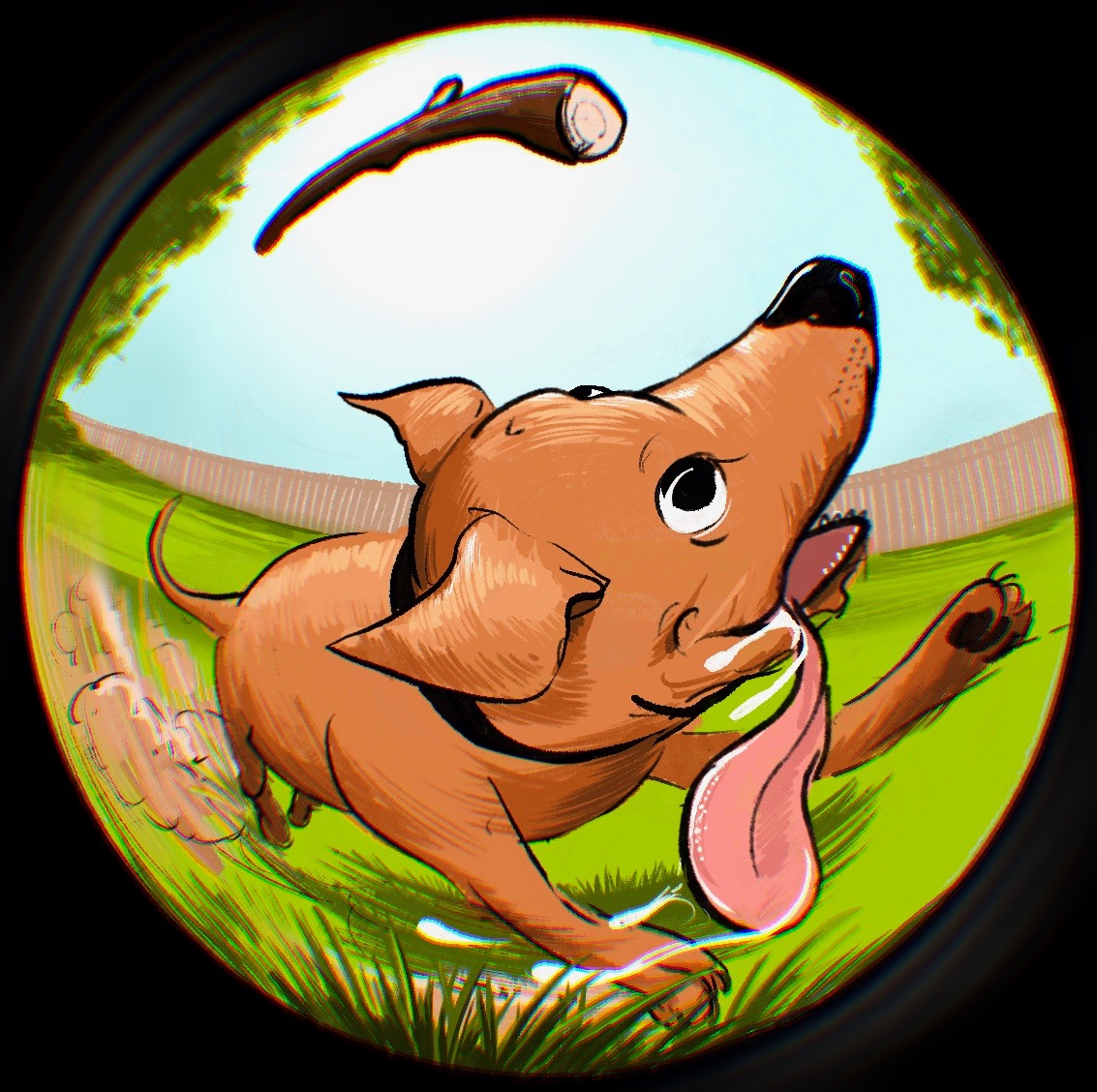
illustration by Joe Scordo
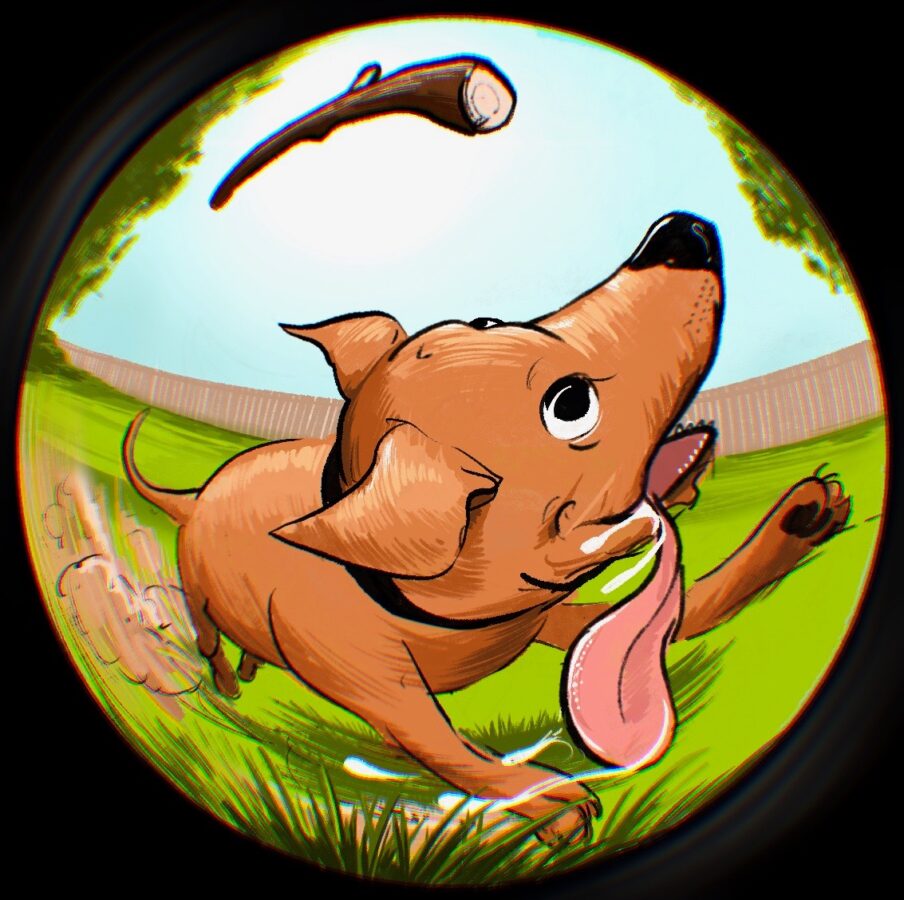
Skaters and dogs both understand how important it is to play every day. All skaters know the dread of going through a dry spell; whether it’s injuries, work, or burnout, you feel like a different person when you haven’t spent enough time on board. Dogs go through the same thing when they haven’t gotten out for a rip. Most of the dogs who ‘act out’ are just bored, pent up, and in need of a session.
It’s not just about getting energy out either. In both cases, our respective forms of play give us an optimal way to learn how to act in the world. Through learning how to kickflip, a skater learns the value of failure, getting up and trying again. Through fetch, a dog learns the value of coming back to their owner and giving up what they are holding (or playing keep-away, depending on how you train it). This learning doesn’t feel like work either, the learning is wrapped up in doing our favorite activity just for the sake of doing it.
In both dog training and skateboarding, tricks evolve. You don’t just learn them and have them, it is a constant journey of improving finesse and adapting to new situations. The best way to learn is to be aware of your Challenge-Skills Balance and operate just outside of it. You can comfortably slide a quarter of the rail? Spend a session trying to do a third of it. Your dog can comfortably hold a sit for two seconds? Spend a session going for three seconds. The smaller the steps, the better. You want the dopamine hit of stepping just outside of your Challenge-Skills Balance, which will fire you up to accomplish even more in your session. Adding a tiny new movement to something hardwired is the fastest and most effective way to learn.
Of course, tuning into ourselves is only half the battle. We need to adapt to the situation right in front of us. Dogs and spots come with character. Spots come with cracks, kinks, security and scooters. Dogs come with breed specific drives, attitudes and sometimes trauma. These characteristics can make us feel like we are unable to accomplish a certain trick, but we learn that the characteristics are not the problem, it is our reaction to them that shapes the end result. It is so easy to get hung up on a certain characteristic of a spot and deem a trick undoable, only to watch another skater breeze right through it. It is so easy to get frustrated with your dog in a moment, thinking it’s all their fault, only to come back to the issue with a clearer mind or with a trainer and realize there is something you can do better. The best part of all of this ‘work’ is that it doesn’t feel like work, we are just out doing an activity for the love of doing it, all while learning lessons and becoming better versions of ourselves. In both cases, we learn that as long as we stay consistent and have fun, we will always get better, and that progress is the most addicting, healthy, exciting feeling in the world.
Skateboarding and dog training change how one sees the world. We now see city blocks not only for their curbs, gaps, and cellar doors, but also for their pee spots, grass spaces, breezyness and busyness. We know where every rotten rodent corpse, smelly corner, and trash can is within a 10 block radius of our house. We know where to find the benches that grind and the ones that have a good view. We find the line that optimizes our walk and gives us the most speed in the bowl. Trash can be seen for its ability to enhance a skate spot or be turned into a toy. We prioritize the things that matter: playing, going to fun places, seeing friends, and having a good time. These priorities set us up to see the beauty of the simple things, and maximize fun every day. Do something special with your dog and get in an extra skate session this week, it might just be the most important thing you do.