Video, photos, and interview by Esteban Campos
“This video is meant to represent a visual postcard of my time spent in Chile and serve as a thank you and shout out to the Chilean homies who I can now call family. We covered ground from the rugged dry deserts in the north of Chile, all the way down to the scenic south of the country surrounded by beautiful greenery, lakes, and volcanoes. I’ve always wanted to shine light on my country’s scene any way possible, so I interviewed two of the good homies who accompanied me throughout this whole process while filming for Postcard to speak on our tours and their scene: Chilean local Maty Arraño, who is the Creative Director for Fuera de Foco magazine, filmer and editor for Arcticwide Colectivo, as well as one of the many young talented skaters from the country, 18 year old Victor Flores, aka “Mini King,” Antofagasta’s little prodigy who’s been killing it since he was 10. These two cover everything from skating down the highway in the pitch black dark to skating with OG Wes Kremer after a random encounter in the south of Chile.” – Esteban
Let’s rewind real quick and go back to Chile. I was over there for 3 months and we spent a shit ton of time together, pretty much the whole trip. What memories do you have fresh on your mind from those months?
Maty: Yeah, I remember that linking up with you was cool because from the start, I had never met someone that understood our Chilean slang so well, so for us it was really easy to integrate you into our crew. Then we coordinated our Antofa trip, shoutout Diego Ortega for taking care of housing us. It was a beautiful experience for all of us because you being there kinda brought us all together to make that trip happen, because we don’t normally travel in that big of a group, in this case, linking up with Kevin Herrera, Kristal Perez, who were already there, with Diego, and Alecamo too, who are all youngins that are well emergent and have really good potential to represent the national scene.
We lurked around many parts of Chile, for example, Concepcion, Penco, Antofagasta, Los Angeles, etc, but where I feel we really had complications to skate and film for this video was in Santiago. Why do you believe it’s so complicated to film and skate in Santiago compared to the rest of the country?
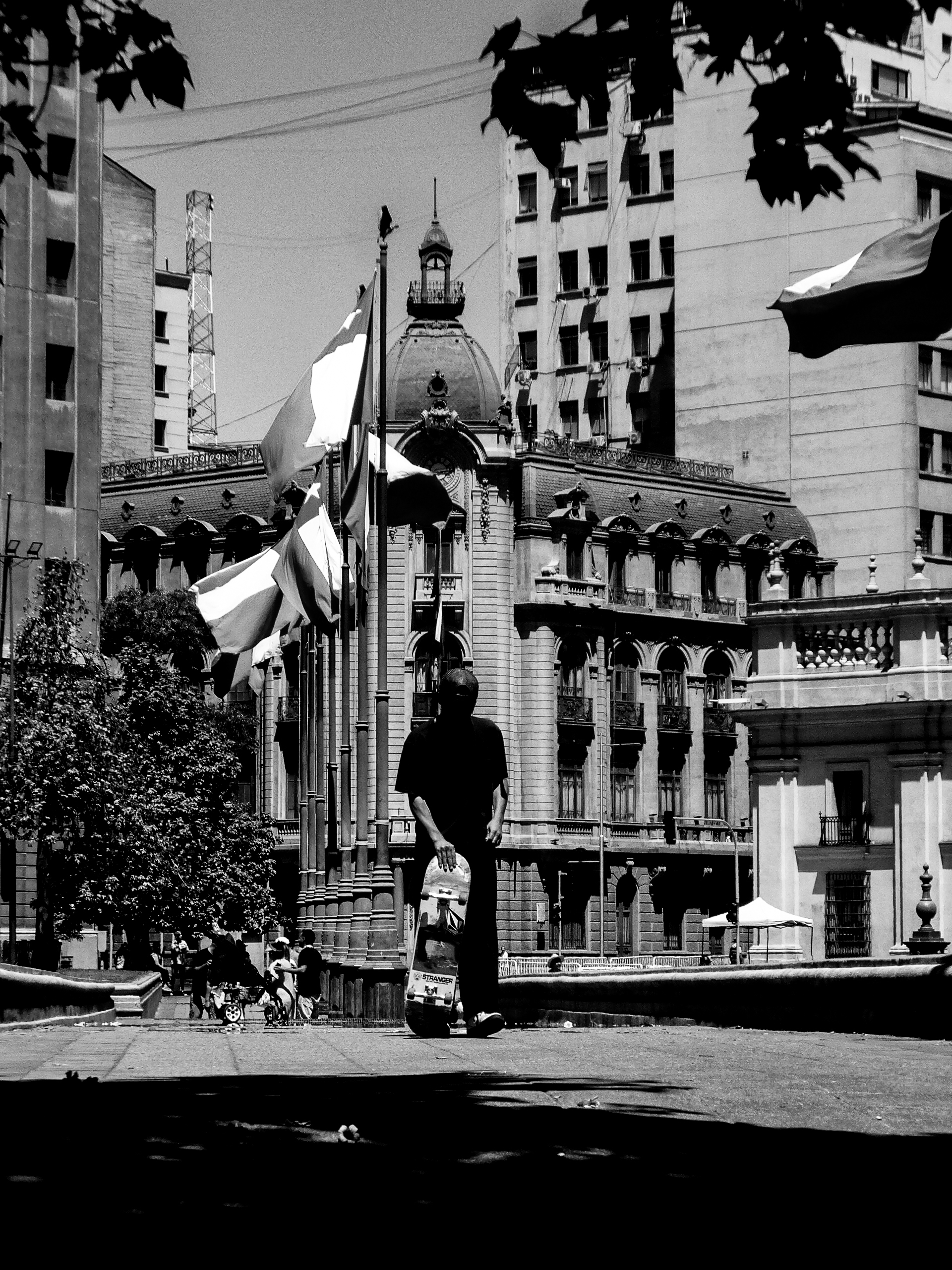
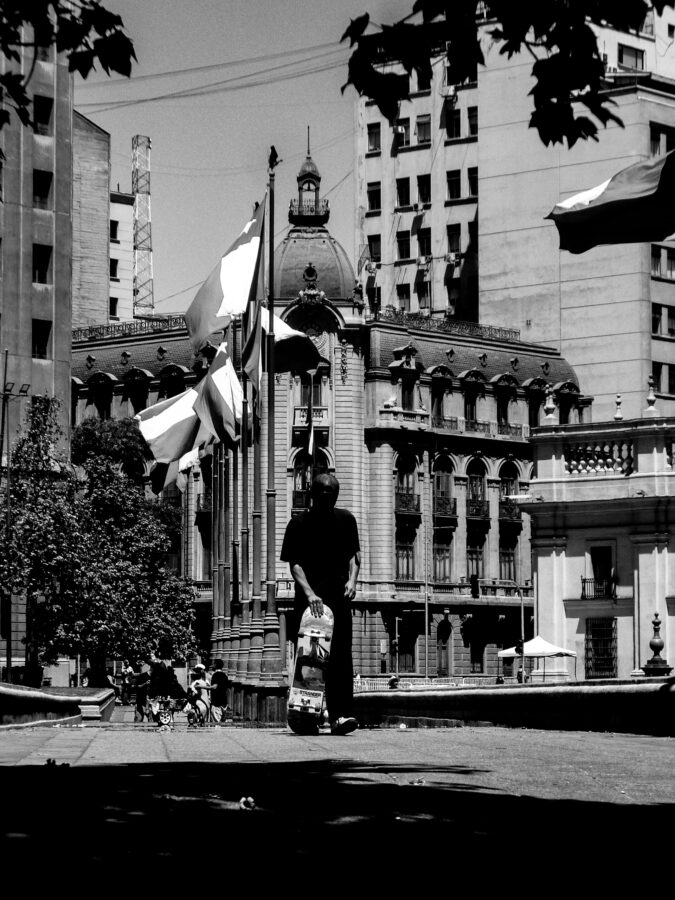
Maty: It’s a capital city, in which I think any capital city in the world has this defect that all the spots are full of people, lots of police, lots of control, so I think that’s going to happen on a global level in every city. So we had to troop it either in the AM or late at night. We tried to have those times in which there was a lapse of people, you feel me. That day we went downtown, we did that whole tour, we skated in 35ºC, no water, just us, but it was the only moment we had the city for ourselves. It was a Sunday, it was really hot, just straight summer so everyones at the beach. Those really are the lapses of time you have to skate downtown.
We still got stopped 3 times by the cops that day too.
Maty: Yeah, imagine that in two blocks three cops came up to us for nothing, for simply walking down the street with our boards. Clearly they don’t have a good view on skaters, but you’re always going to get a bit of everything though, you can always run into someone very chill, or someone just mean. If you compare it though, people are meaner in Santiago in regards to skaters. I think it’s on a national level that people, or the culture to say, is a bit obsolete and doesn’t understand that if you respect the person next to you, you can perfectly express yourself how you want to. In the end we’re making art because we’re shooting photographs, it’s our way of compatibilizing with the city, and our way of putting Chile, or Santiago in this case, on the map so to say, a place that is so far in general, from the center of the world. Maybe now the new generations, the youth, will begin to adapt that appreciation, so to say, towards us who do this type of art, skating. In the end though, we still manage to find time to skate the city despite all the chaos.
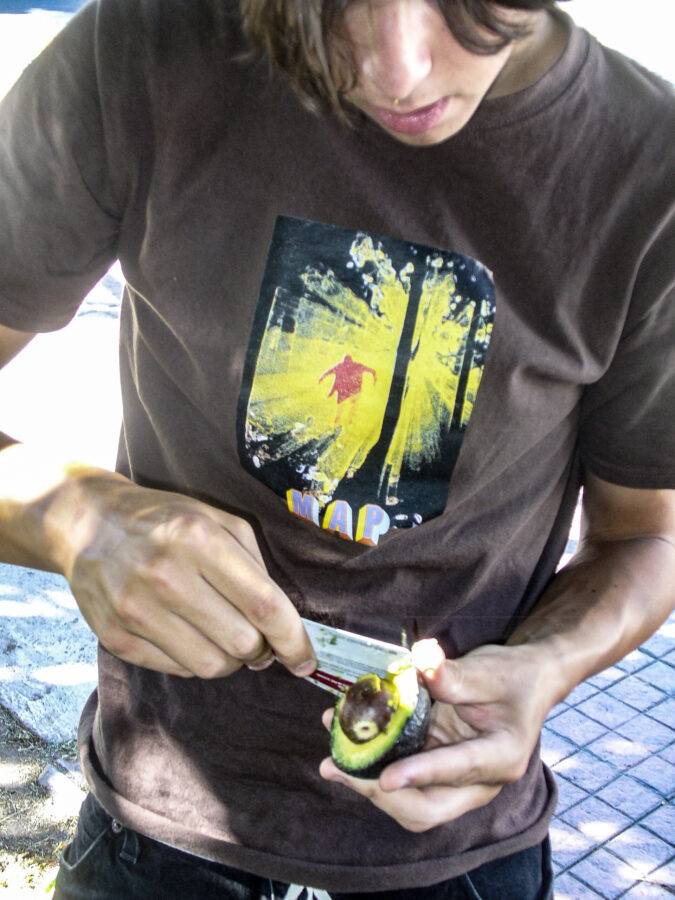
Something that surprised me was your guys’ lunches. Here I’ll go to the deli, get myself a chicken cutlet with an Arizona and I’m set for the day. You guys do things a bit differently over there though. Tell us, what are the typical lunches on a Chilean sesh?
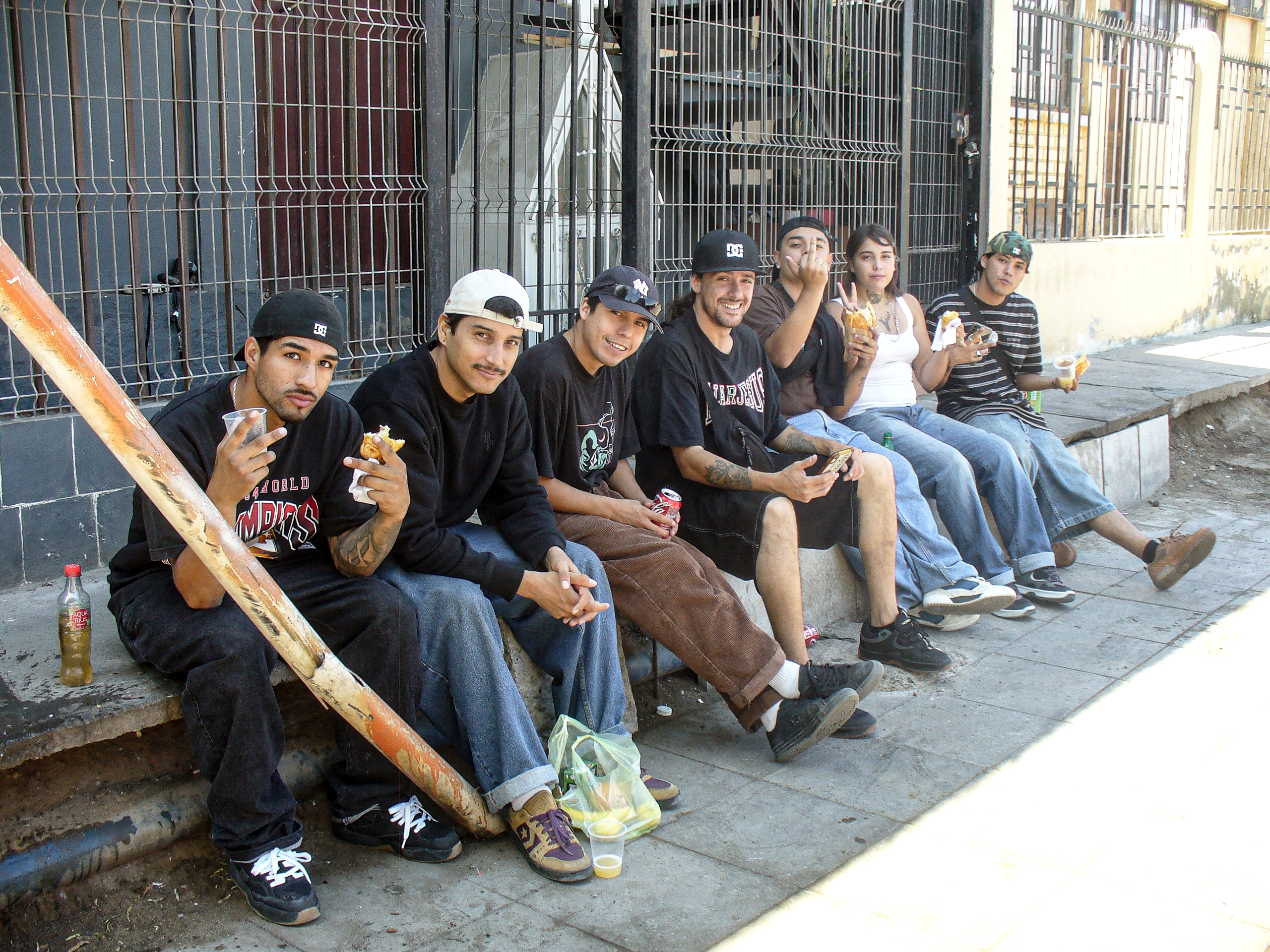
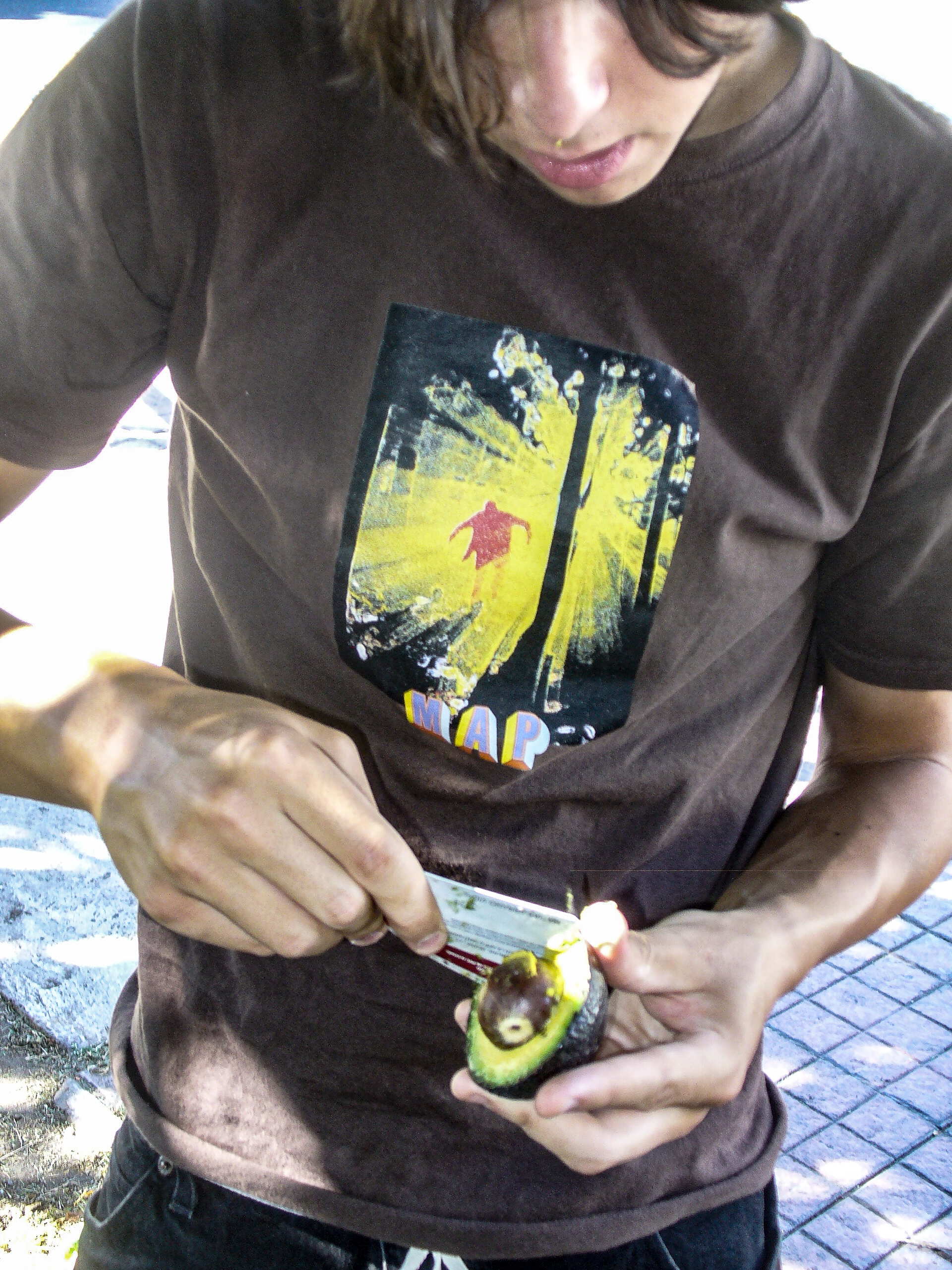
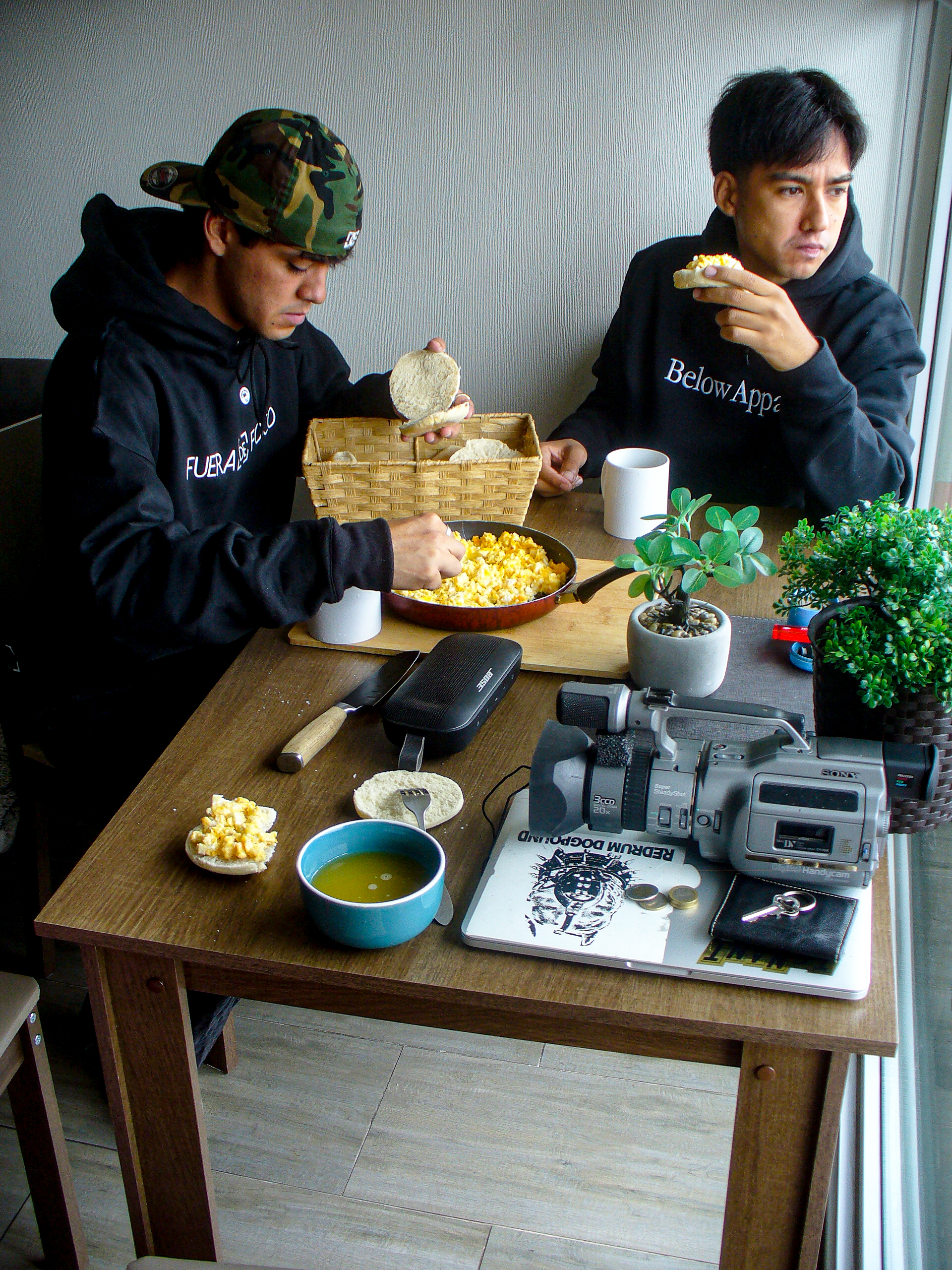
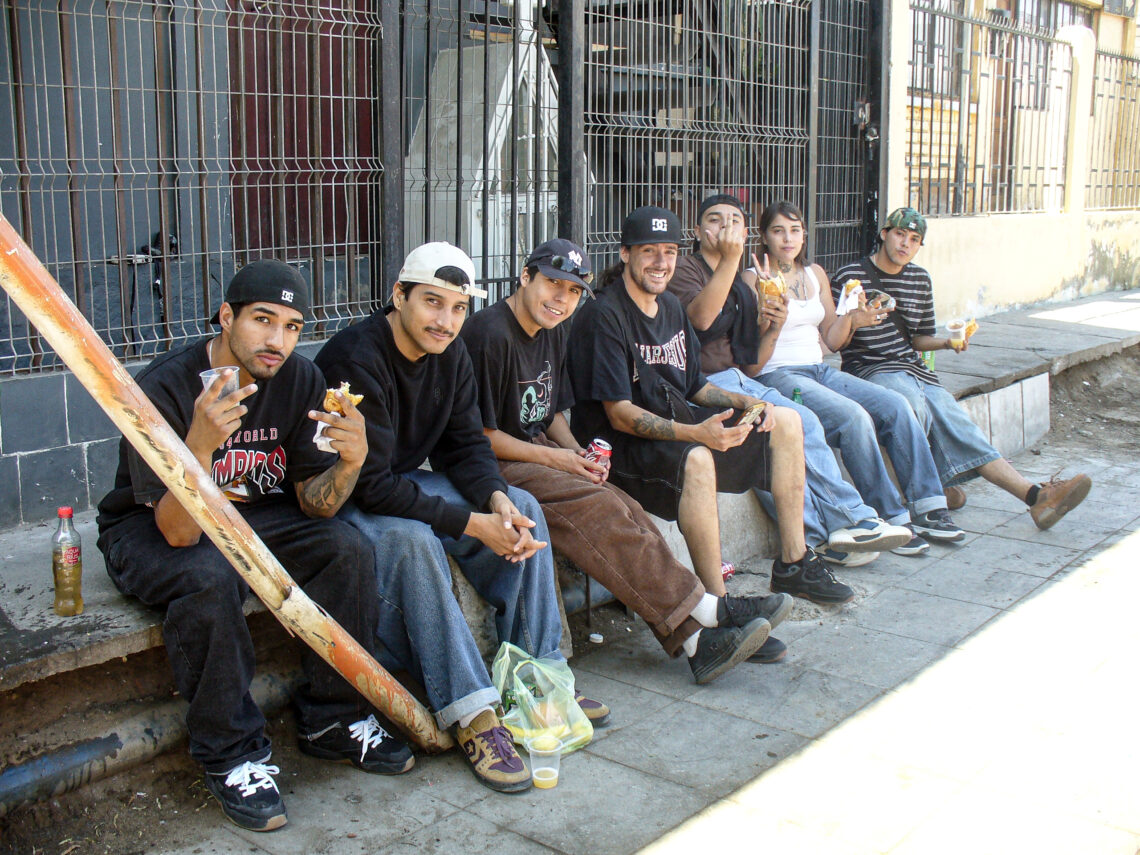
Maty: If it’s in Santiago and we have a bit of time, we go to “La Vega.” “La Vega Central” is where all the distribution of fruits and vegetables arrive and you can buy stuff really cheap. So there we have a “Picada,” a little restaurant where you can have a plate for 2,500 pesos (about $3). The second option we tend to do is go to a supermarket and buy different things. What do we buy? An avocado, a tomato, a lot of bread, a lot of water, and in the end, show up to the spot and with a credit card start cutting the breads, and with the salt always in the backpack, like in that sense we’re always well prepared, it’s essential to have food on a sesh. Going to restaurants isn’t that often since most spots in Santiago are all junk food, sure maybe bread isn’t the healthiest, but if you eat it with avocado, tomato, hummus and then fruits and lots of water… like those are the typical seshs. And a 2 liter Watts juice… or some poison [laughs].
Let’s talk about the Conce Tour [Concepcion]. Where did that tour come from and how long were we out there for?
Maty: Conce Tour, it literally spawned from a sesh we were on in Vitacura, you were also there, and Nico says like:
“We could go to Conce, we’ve never gone.” – Nico
“Ight, when we going?” – Maty
“Ight this weekend” – Nico
And we traveled the next week, we organized ourselves and left. We didn’t even have a place to stay, I remember.
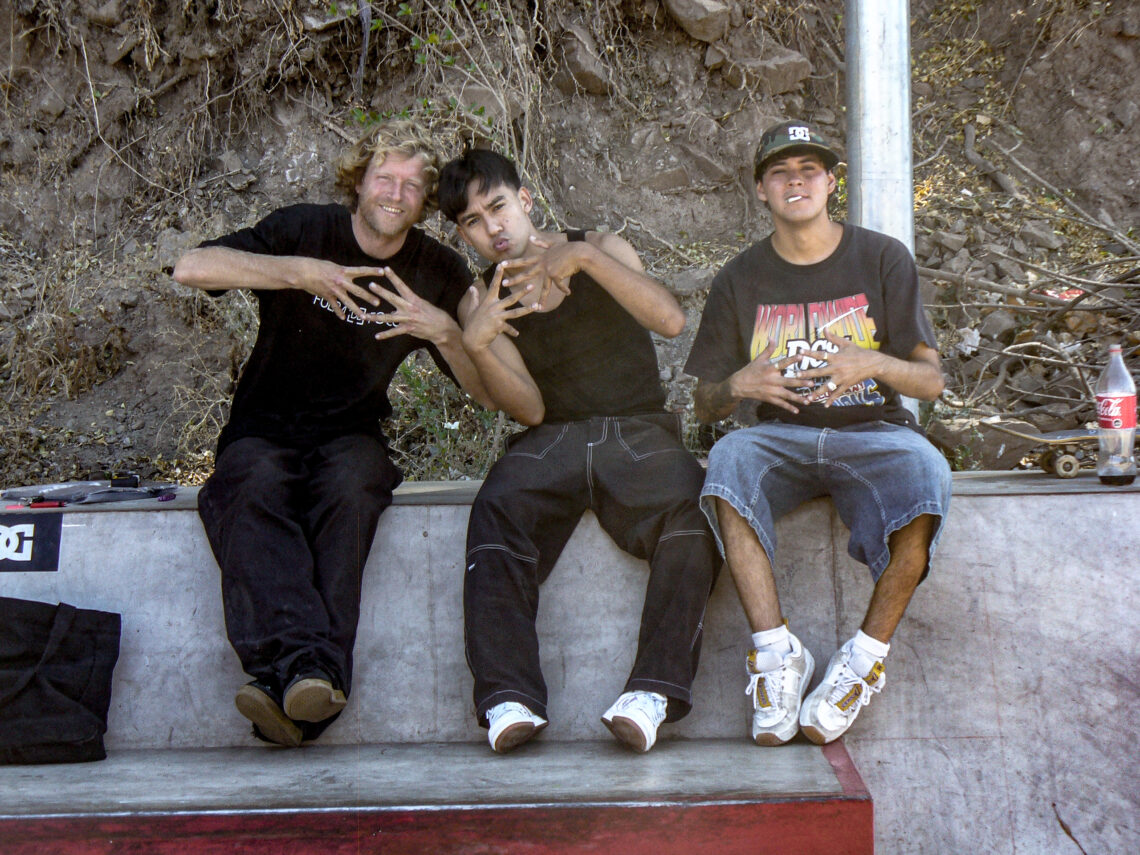
We started that tour strong with a Wes Kremer encounter, along with Stavros. How’d that happen, what was that about?
MATY: Yea, it was all very random, first off deciding to go from one week to the week next was very fast. We didn’t have a place to stay, nothing. So, we were on route, not even two hours in, and we stopped at a gas station. I step out and all of a sudden I find myself with Stavros [OG Chilean skater], and he tells me, “My dude, I’m going to Curicó to skate with Wes.”
And Wes Kremer was just there, and Wes said like, “Yea, let’s go skate the Curicó park.” And with the homies we said to ourselves, “Ight, we’re here, do we stay on track, or stop at Curicó?” which was about an hour and half away from where we were. So all together we just said, “Yea, let’s go skate with Wes.”
When we got there, Wes was installed as if he was a Chilean, eating some porotos con riendas with Stavros, on a little chair having a picnic under the shade. They were also on tour, but more of like a backpacking tour so to say, just living life. We skated in the straight sun, like two hours I remember at the new Curicó skatepark. We managed to film a bit, got a back to back, people then started showing up to the area because news got out that Wes was there, everyone was taking pictures with Wes, it was a cool experience. After that we got back on the road. We got to Conce very late, and we booked the AirBnB on the way there.
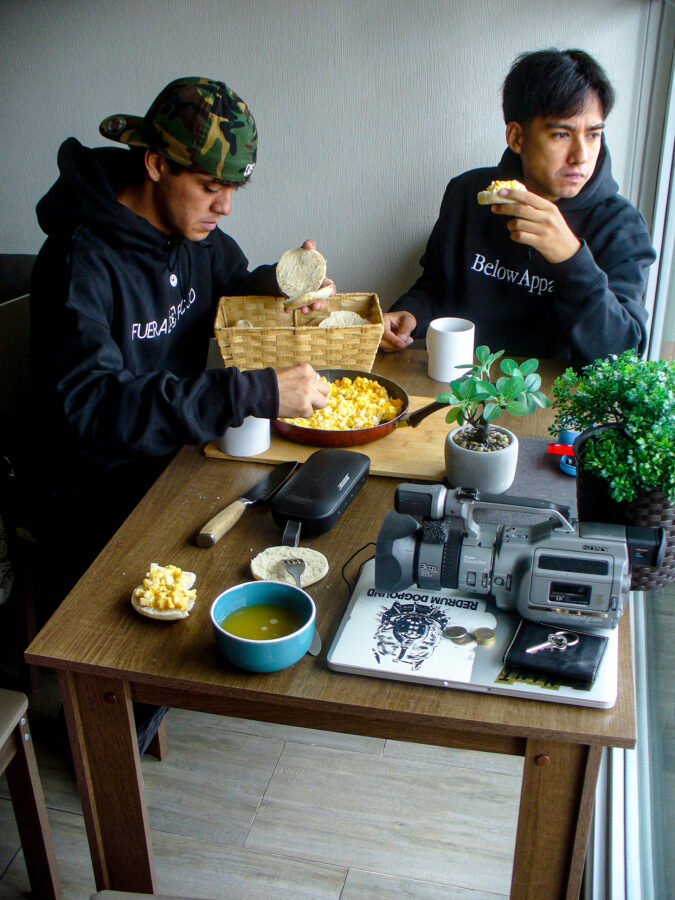
I love how videos look on VX, so my intention with this trip was to debut my VX that I managed to get thanks to Mike Sass. It was my first time working with a VX, which in my opinion is my favorite camera. So, I wanted to hear your opinion on the VX1000, of the camera in general, of how our missions went, and if after seeing the final result, if the missions were worth it?
Maty: Honestly, when I met you, you were more of a photographer than filmer, so when you showed up with the VX, it was interesting. Truthfully, I really like that more antique aesthetic, so I said maybe it’ll be interesting filming with Esteban, because on top of that you also have the Century lens [Mk1] that looks sick. The whole time you were there, something funny happened, you were there with the camera, the whole time with the camera out filming landscapes, filming everything. I liked it a lot because you were able to capture a lot of things that represent us for real as chileans. Maybe yea, they might not be the best tricks, feel me, maybe we didn’t put that much “effort” into the video in terms on skating, but it was so natural, so organic that all of a sudden we’d be talking and the camera was there, capturing all those moments of laughter, of seriousness, of just things, beautiful things like the landscapes. That’s why I liked it, because you really captured the vibe that we live, feel me, like our essence, very chilean. You were also learning to film, since you dedicate yourself more to photography. So it wasn’t necessarily, like you’d say, it wasn’t about filming a “real” trick instead more like, “Yo, let’s do something express or random because I just want to capture it.” And well, that’s the cool thing about the VX, any line or if you land something a little sketchy, in general, it gives it that interesting look.
I think no one else knows how to have such a good time as much as you guys do, y’all taught me that in Chile, for example, the Chilwe tour. For those who don’t know, for the gringos, what is Chilwe and why is it so captivating?
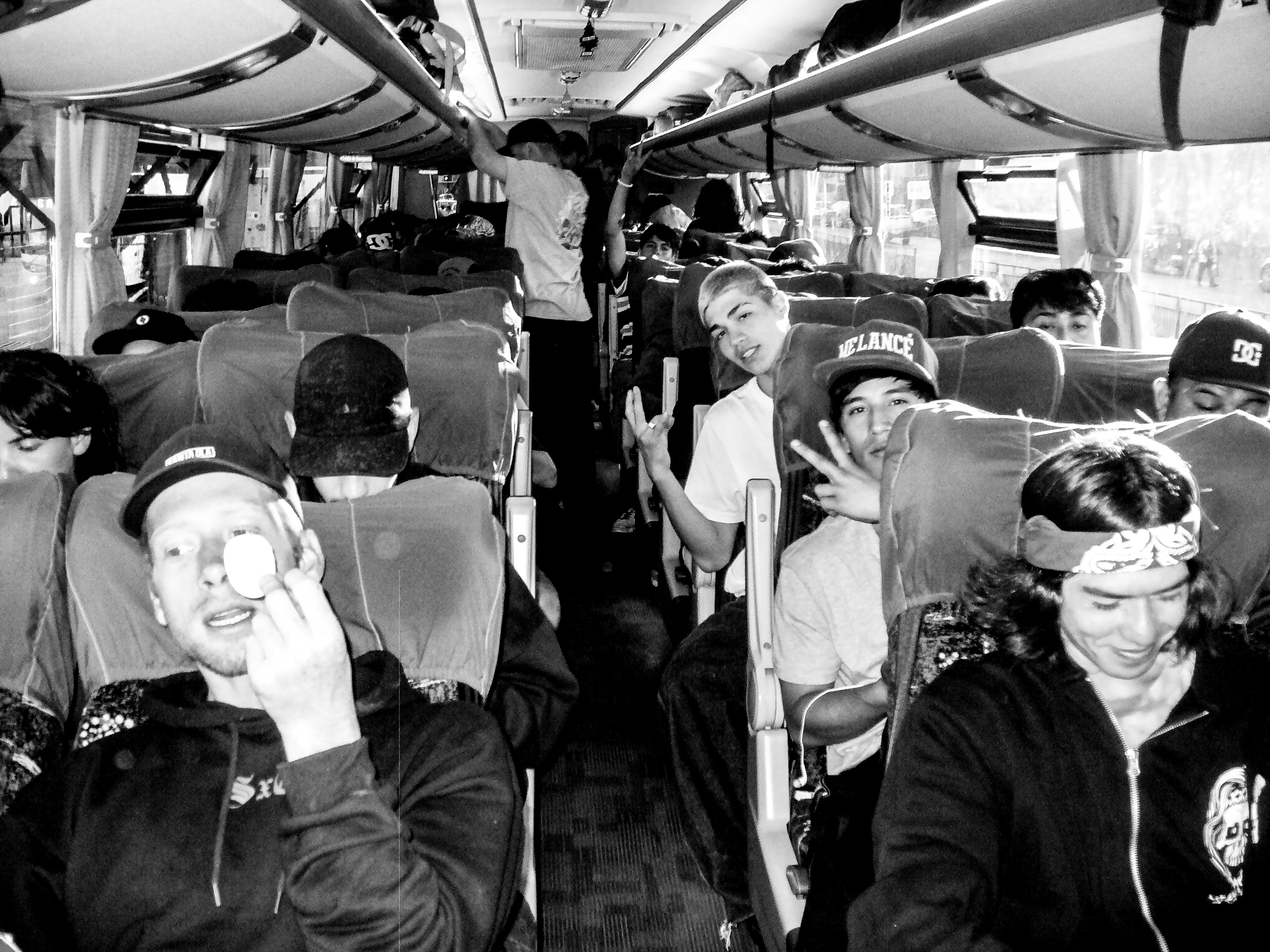
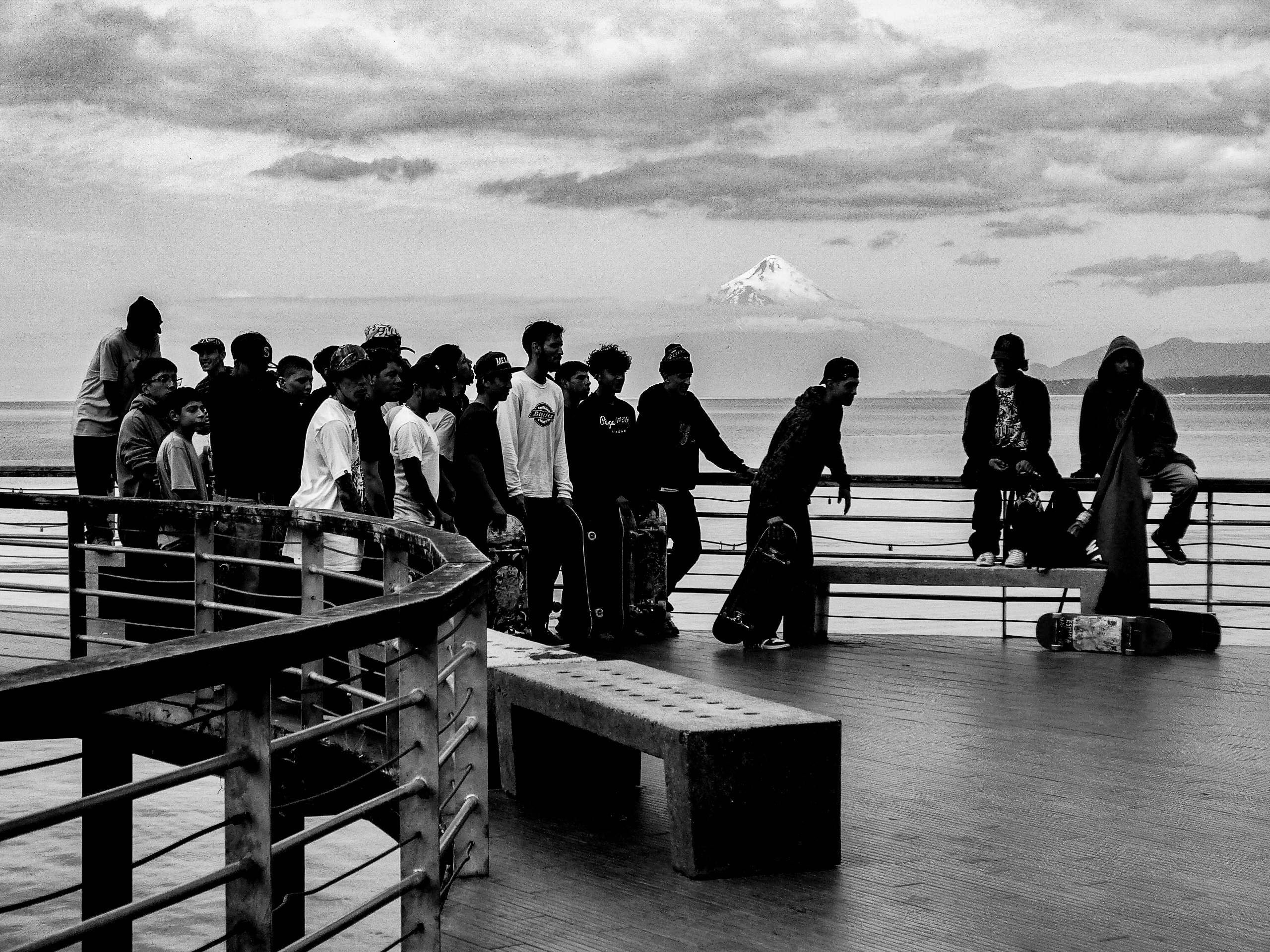
Victor: Chilwe is an event that happens every year, we have to travel to the south [Puerto Varas, Puerto Montt, Ancud] and it lasts three days. We all went on a bus, and it’s 12 hours exactly, a lot. We slept… imagine we slept, we didn’t even sleep, we all went just partying on the bus. We all went to enjoy Chilwe, it had lots of falls, lots of skating, lots of filming, some incredible downhills, a little bit of everything. To see the countryside all green was beautiful, since I’m from the north there isn’t much greenery here, so to see the green, see the trees, see horses, all that was incredible. The most incredible thing was to show up and see the camping, be there at the house with a bunch of tents outside, just a camping full of skaters.
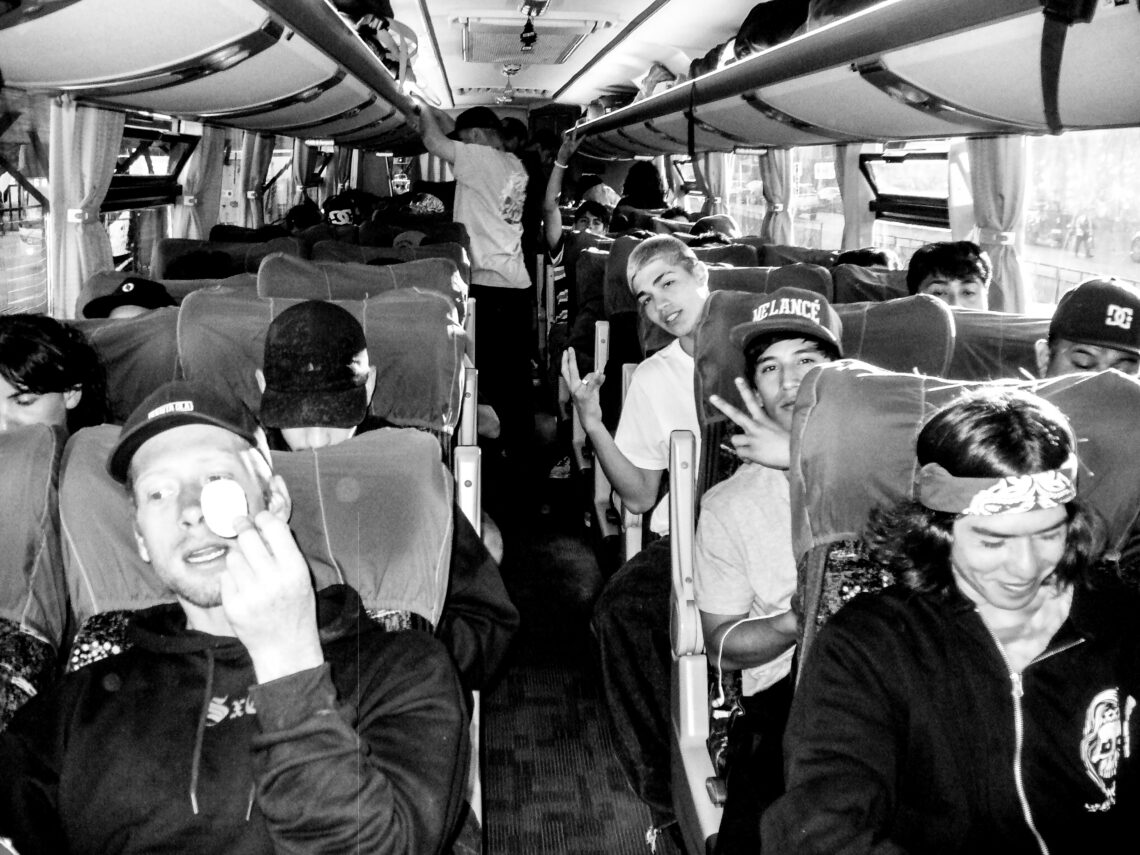
The first day of Chilwe I saw on your story that you guys were skating down the highway at night in the straight darkness, with no light, nothing. What happened to you guys?
Victor: We went skating [in Puerto Montt] to get familiar with the city a bit since we arrived a day before the event started. So then we went home and we took whichever bus was going out towards Puerto Varas, but we were staying a little farther out from Puerto Varas, like 10 minutes from Puerto Verdad really. So we didn’t really look at the bus well and just got on, and I got on and fell asleep on the bus. I wasn’t alone though, my friend Jeisson was on, Alecamo, Oscar Cortez, there were a lot of us, and Ale was looking at the map. So I wake up and Ale says, “The bus is going another way…” And I tell him, “Let’s get off, let’s get off, get off!” We just so happened to be turning a curve and we couldn’t get off, and the bus ended up going about 10km out. Ight, so we got off and it was all dark, you couldn’t see anything on the highway, and no Ubers would pass, and no buses would pass. So the only thing left was to look on the map and find the house because we had a little bit of signal. Looking at the bright side, I turned on a speaker, put some music on and just said, “Let’s just walk it, let’s walk it, let’s go back home.” And the homies saying, “Its 10km, its too much.”
“Let’s just walk it, look at it positively,” I told them, and we just started walking. It was a unique experience honestly, that had never happened to me before, like walking through the fields, when the cars would pass by we’d have to jump into the trees so we wouldn’t get run over. It was a bunch of uphill, too much uphill. Eventually we got to a peak and from there it was just straight downhill, just hill after hill, all downhill. So we threw down and skated down, we couldn’t see anything, the cars were all flashing their lights at us and honking their horns, we guided ourselves by following the car lights. We got home all destroyed, it was the first day and I hadn’t slept well, well nobody actually, we couldn’t walk anymore. The first day of Chilwe just shot.
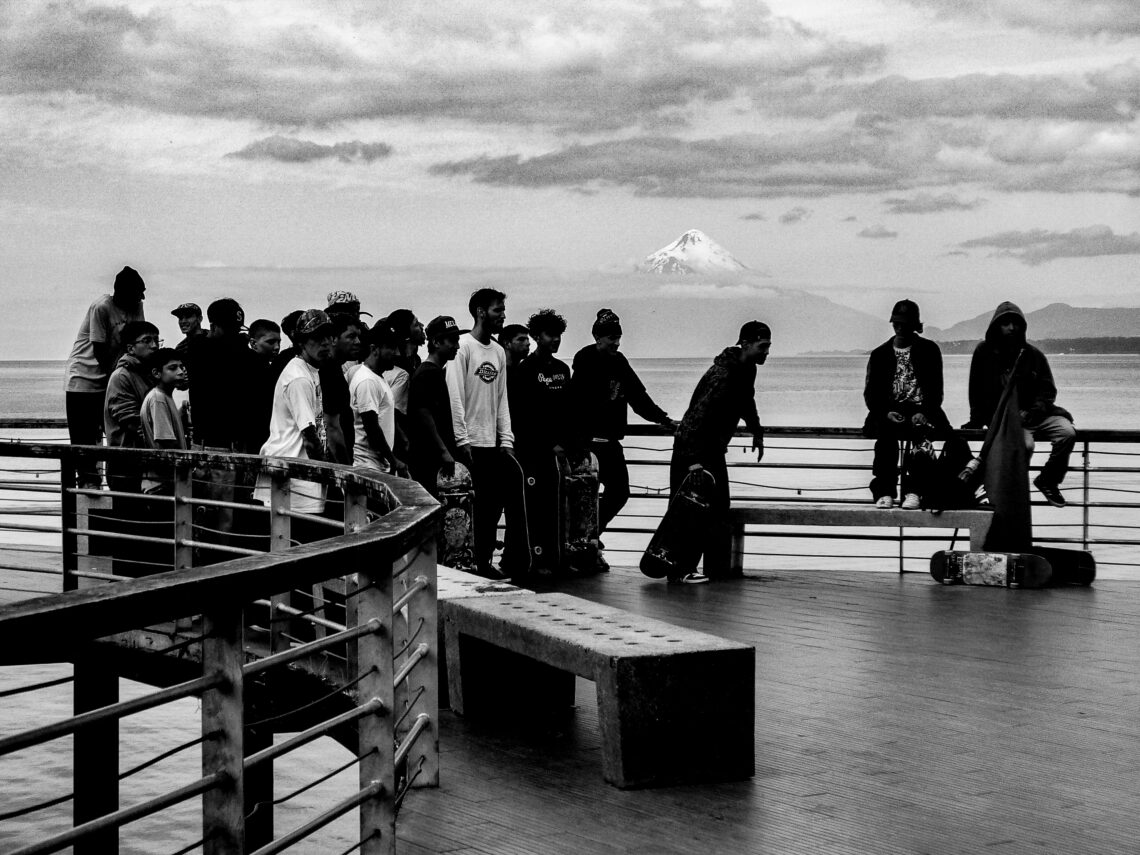
Something I’d like to share that I admire about you Victor is your way of taking care of and having your homies backs, no man left behind. For example when we were in Puerto Varas I noticed that you’d skate in all the best trick contests, and what you’d win, you’d give it to your homie, Monocoblac. What was the reasoning behind that, what happened there?
Victor: Of skating the best tricks for my friend was because he didn’t have bread to go back home honestly, he didn’t have how to get back to Antofa. So I’d win some prizes, I’d give him the boards, the hoodies, a little bit of everything, and I’d tell him, “Here, sell these, they’re always breaking boards, they’re always cold, they always need something so they’ll buy anything.” The next day he sold everything and was able to get back home. He had gone with nothing, with just a suitcase and that’s it, living the skate life. Living these tours, living these experiences, which I think everyone has experienced, traveling with nothing, just going blindly and thinking in skating, those are the best in my opinion. So yea, I got his back, and he’s got mine. The truth is that I support him and admire him a lot too, the strength, the energy he has to skate, he doesn’t have the best situation to just take trips to wherever, but he really be taking risks and making it happen. He’s like a brother to me… he is a brother to me. I help who I can here too. There’s a lot of respect for skating so that kids don’t get into bad things, so that they can live the sport and live skateboarding. Skating is a strong escape, skating is something really sick, a lot of friendship and lots of experiences more than anything.
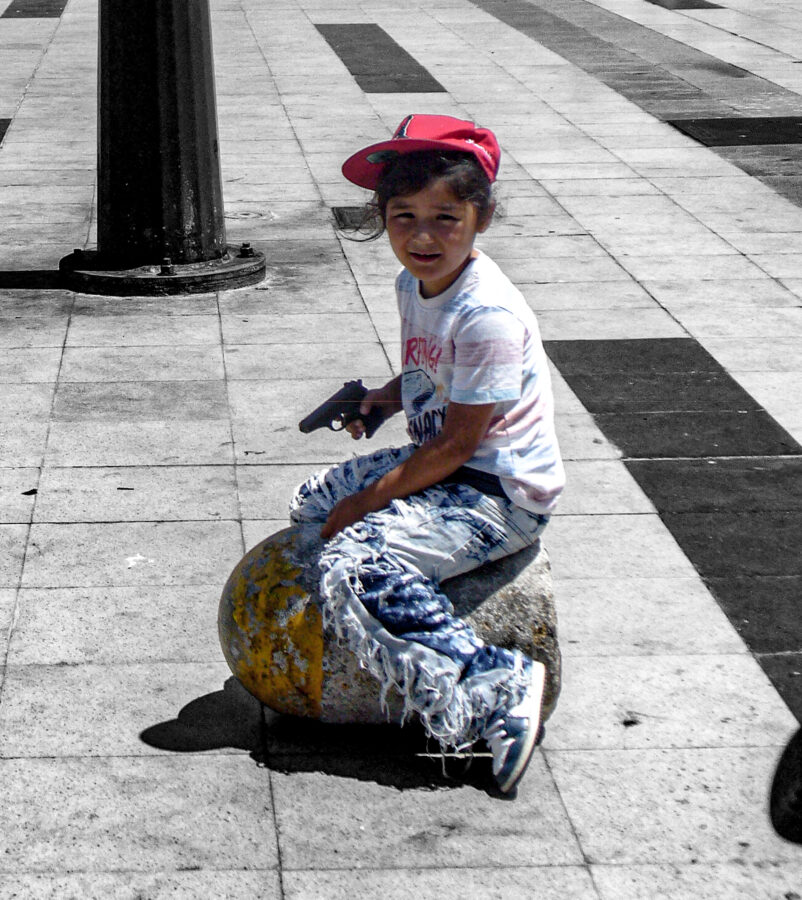
After Chilwe, we went to Antofagsata, we reunited there. I personally loved Antofa, to me it was like being in a skate city, a city that lives and breathes skating, just pure street skating. I imagined being in Philly or New York when the Brooklyn Banks were around, when Love Park was around, that whole era. I didn’t live that era but I imagined that’s how it felt, yall have that vibe over there. In your opinion, how would you describe the Antofa skate scene?
Victor: Yeah, the truth is that in the north we grew up skating in the streets, like full street because there aren’t any good skateparks here, we don’t have a “pro” skatepark so to say. So that’s why we hit each other up everyday through a group chat where there’s more than like 50 people. So all of us be like, “Yo, lets go street.” And something always brews up. We’ll have a camera, a photographer, just skating everywhere, and more than that, we’ll have a good time. Antofa isn’t that big either so we all know each other, we all know where we’re from and when someone who isn’t from here pulls up, we already know they’re not from here. We’ll invite them to go skate, have a good time and all that though. Street skating is really good here, lots of rails and lots of stairs. You’ll be skating and see someone throw down, so you throw down too to get their back and you get motivated, so you’re always progressing. Everyone will be out at a spot motivating you, or they see you sitting down and they’ll say, “Get up and go skate.” They’ll motivate you anyway possible so you get better.
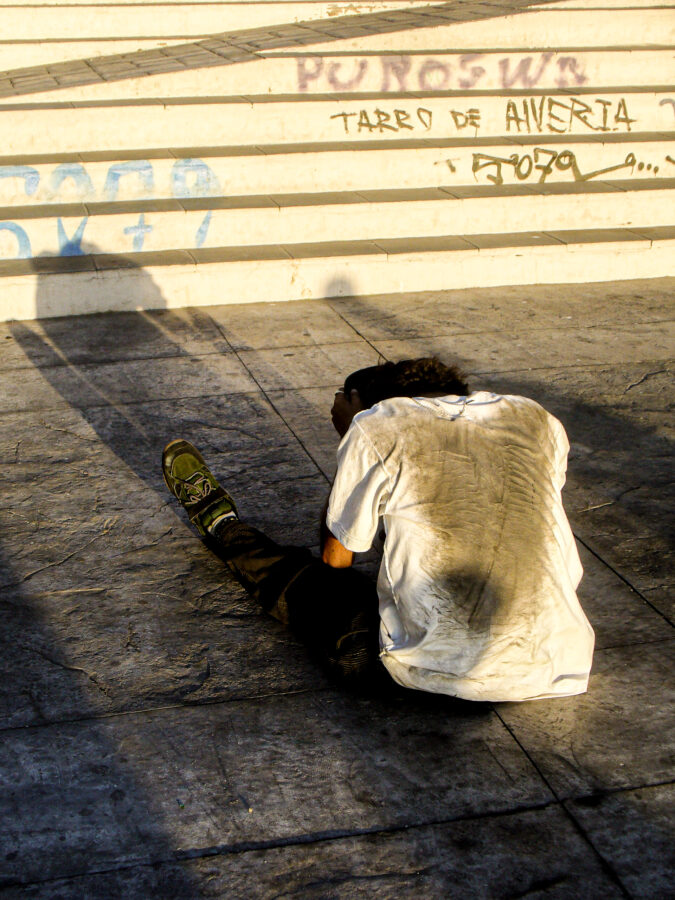
Apart from my VX project, the real reason behind the tours such as Conce and Antofa was to finalize a project you guys had for Nico Garay’s magazine, Fuera de Foco. Tell me more about this project.
Maty: Well, first off, Fuera de Foco is a national magazine that Nico Garay founded with many other people. I don’t know who exactly were the ones to create Fuera de Foco, but the main guy who was there from the start and continues to be there is Nico, who is a founder of it. It was always something more collective because it used to have a different name because Nico would make videos since he was little, he started making these videos called “MSL” [Maipuskatelove] with other kids from his neighborhood. That eventually evolved and they created Fuera de foco. The magazines’ been around for 10 years, it’s a print magazine that is 1 issue per year, it used to be 2 a year, but due to high cost prices nationally it’s really hard to produce prints, so the objective is an issue per year. Yea, the moment you came on the tours with us, yea they were very improvised so to say, but we were working on some stuff we had to finalize, one of those being a video called Duals in which the protagonists were Kevin Herrera and Victor Flores.
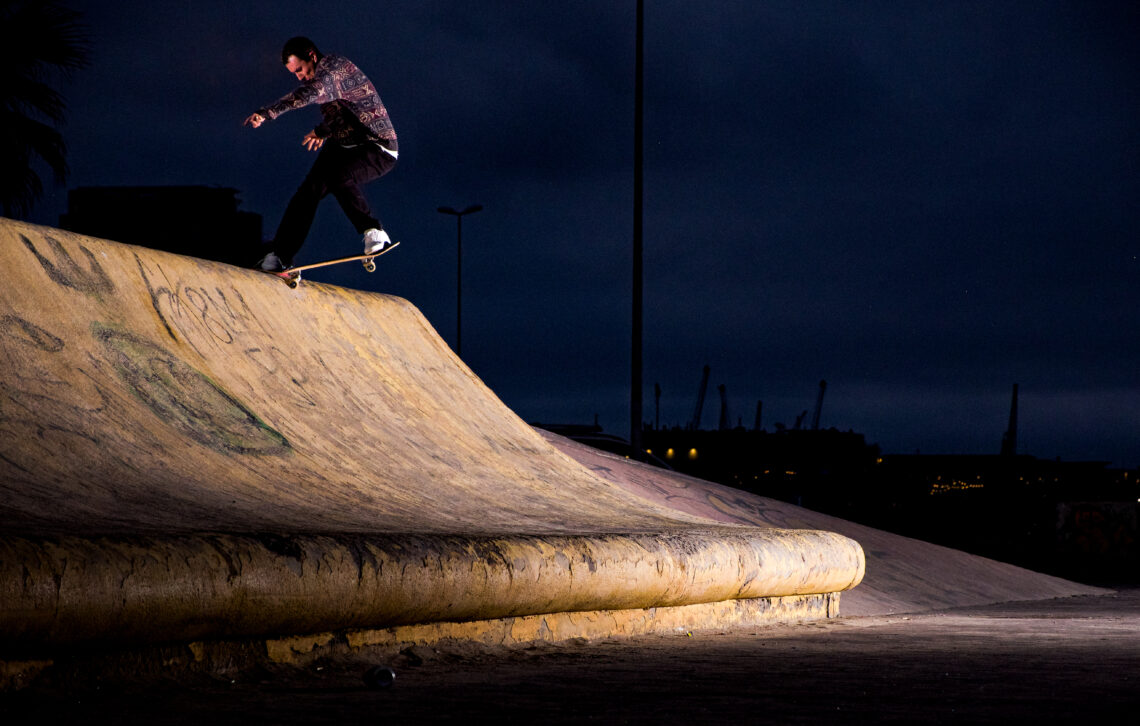
I honestly was left surprised with the Chilean skate scene when I arrived. You guys have a scene with a lot of history that’s been present since the late ’90s with great skaters like Christian Dawson, magazines like La Tabla, photographers like Jorge Andres Binder, the spots, everything. I didn’t know about any of this though until I came to Chile for the first time, being here in the states I had no idea about any of this. So, what do you believe is missing in Chile so that the scene can be recognized more globally, along with its history and its great skaters?
Maty: Yea Chile has always had a very consolidated scene on a national level, there’s great photographers, filmers, and skaters. Chile had a great era in the 2000s, I remember there were really good skaters that were also an inspiration for me, feel me, like in my case, Marcelo Castillo. He was a great skater, I liked watching his videos, he was an inspiration. Also for example we have Christian Dawson, who you were able to meet. Great skater that’s been consistent throughout his whole career, that still to this day doesn’t stop surprising you because he’s very talented, along with an endless amount of other skates that also helped lift the skate scene in Chile. Now the “why doesn’t any of this project toward the rest of the world” I wouldn’t be able to tell you specifically why, but I do believe it’s evolving little by little, Chile’s a country that’s really far on the map. What I believe it’s missing, so to say, is consistency, keeping the local scene alive, producing magazines, but not just one magazine but five skate magazines, feel me. That the industry supports itself, that there be more community, more Chilean brands, for that to really strengthen. We’re a very consumerist country of exported brands and very little nationalist. In my case, with my peoples, we try to open up and connect with people from other places, we’re constantly making videos, trying to brew up projects. I hope these projects can come to light, for example this very opportunity right now we got to express a little bit of what Chile is on a website or it be a magazine from outside. It’s interesting and great to be able to share these types of things so that, like you said, the scene can expand because in reality we do really have a great scene. We just need to keep doing things in community, or in crews, just going out to the streets. Chile in general has many great cities to skate in, so we have to keep that alive. I’m here in Europe now, experimenting and connecting with people, showing them how our scene is, and wanting to work with filmmakers and skaters from here [Europe] for Fuera de Foco. Regardless of it being a Chilean mag, we’re really interested in expanding and connecting with new people to also show different cultures and skaters as well. Working for a magazine has been great for me as a person as well as for wanting to showcase Chile like Yo! Chile exists and there’s a bunch of skaters and there’s a big scene that in any moment is going to explode, or maybe not explode, but it’ll have its own unique essence. For example the video you made, yeah maybe it’s not the best skate video, but it has that essence which is what matters, to always recognize where someone comes from. In the end that’s what makes us unique as a country, and as skaters, because we’re all different and we all have different cultures. The idea is to culture ourselves and have these exchanges of cultures with each other. That’s the beauty of skateboarding.