intro and interview by Justin Hill
editors note: a shorter version of this interview was printed in issue 90, and below is the unedited conversation in full between Jason and Justin.
Schizophrenia: A psychotic disorder characterized by disturbances in cognition, emotional responsiveness and behavior, with symptoms such as delusions, hallucinations, disorganized speech and highly disorganized behavior, schizophrenia affects approximately 23 million people, or 1 in 345 people worldwide (0.29%). At least one third of people with schizophrenia experiences complete remission of symptoms. Currently, many people with schizophrenia around the world are not receiving proper mental health care, with only 30% of people with psychosis receiving specialist mental health care.
Three of my Uber rides in Tempe, AZ included a warning from drivers about the crazies who frequented the Motel where I was staying. If I’m being honest, the word crazy wasn’t used, I’m paraphrasing, but the implied sentiment was that those who often stayed at or hung around my motel were presumed unsavory to most common folk. “Tweakers, nut jobs and hookers,” as one driver put it. “You said you’re on vacation? Might wanna be careful, a lot of insane people around here, especially at night,” another driver asked and advised. Warnings that nonetheless fell on deaf ears – who is anyone to say who is, or isn’t sane? I’m certainly not qualified. I’ve learned through the general trials and tribulations of life not to judge a book by its cover, and for all my Uber drivers knew, I was one of those people. I may’ve not looked the part to them but ask any of my friends – I’m kind of a fucking weirdo. After a long weekend in Tempe though, including some late nights, I saw no maniacs or nut jobs. Besides, most of my time wasn’t spent at the motel, it was spent skateboarding or talking with skateboarders.
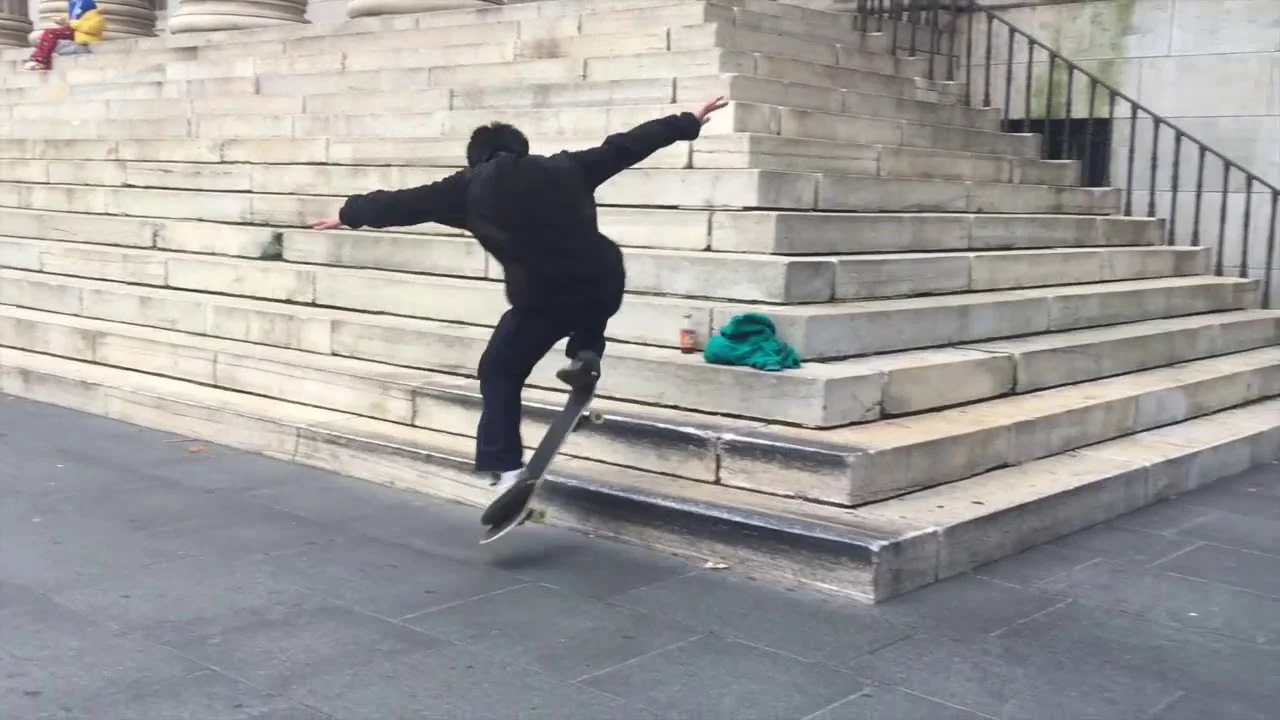
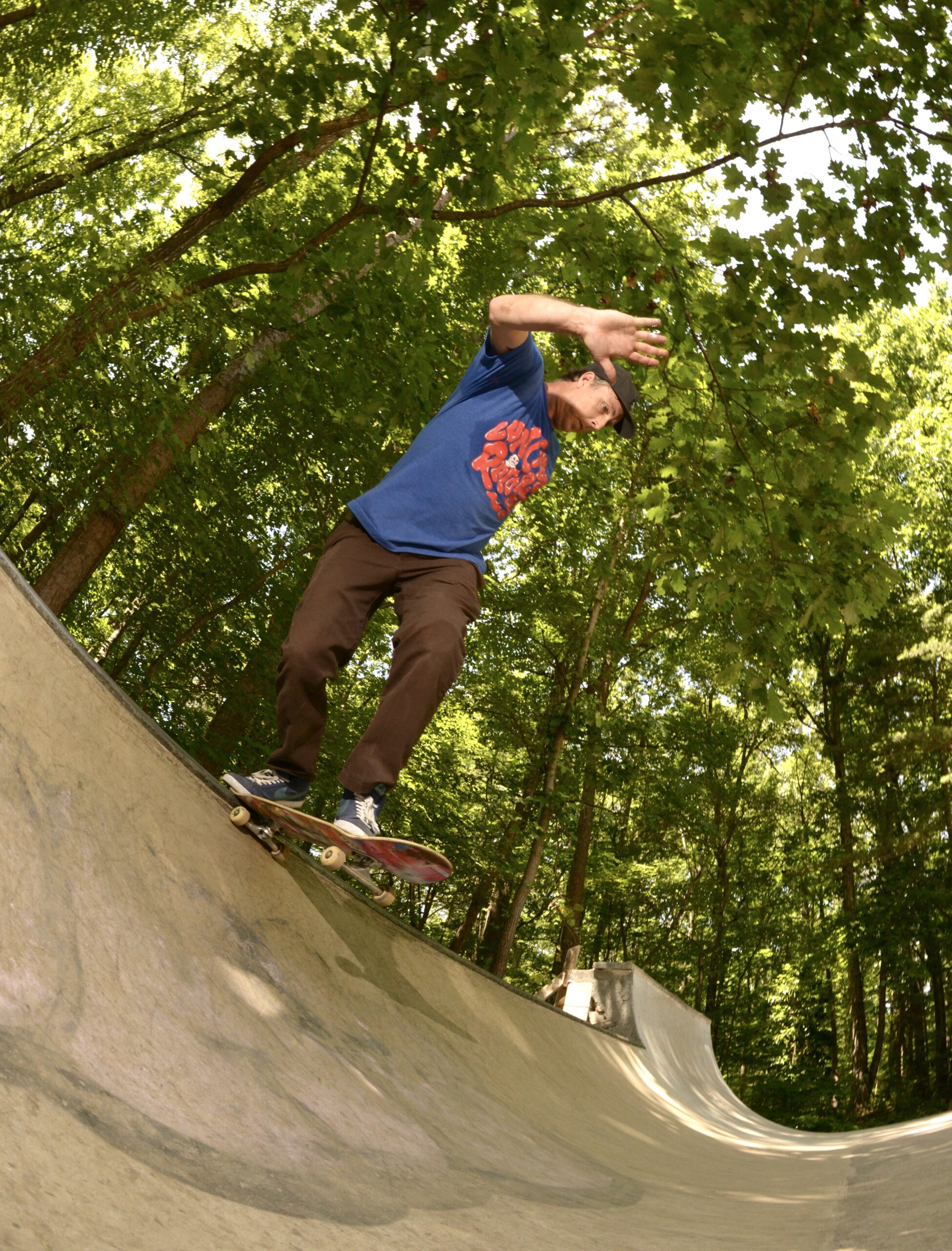
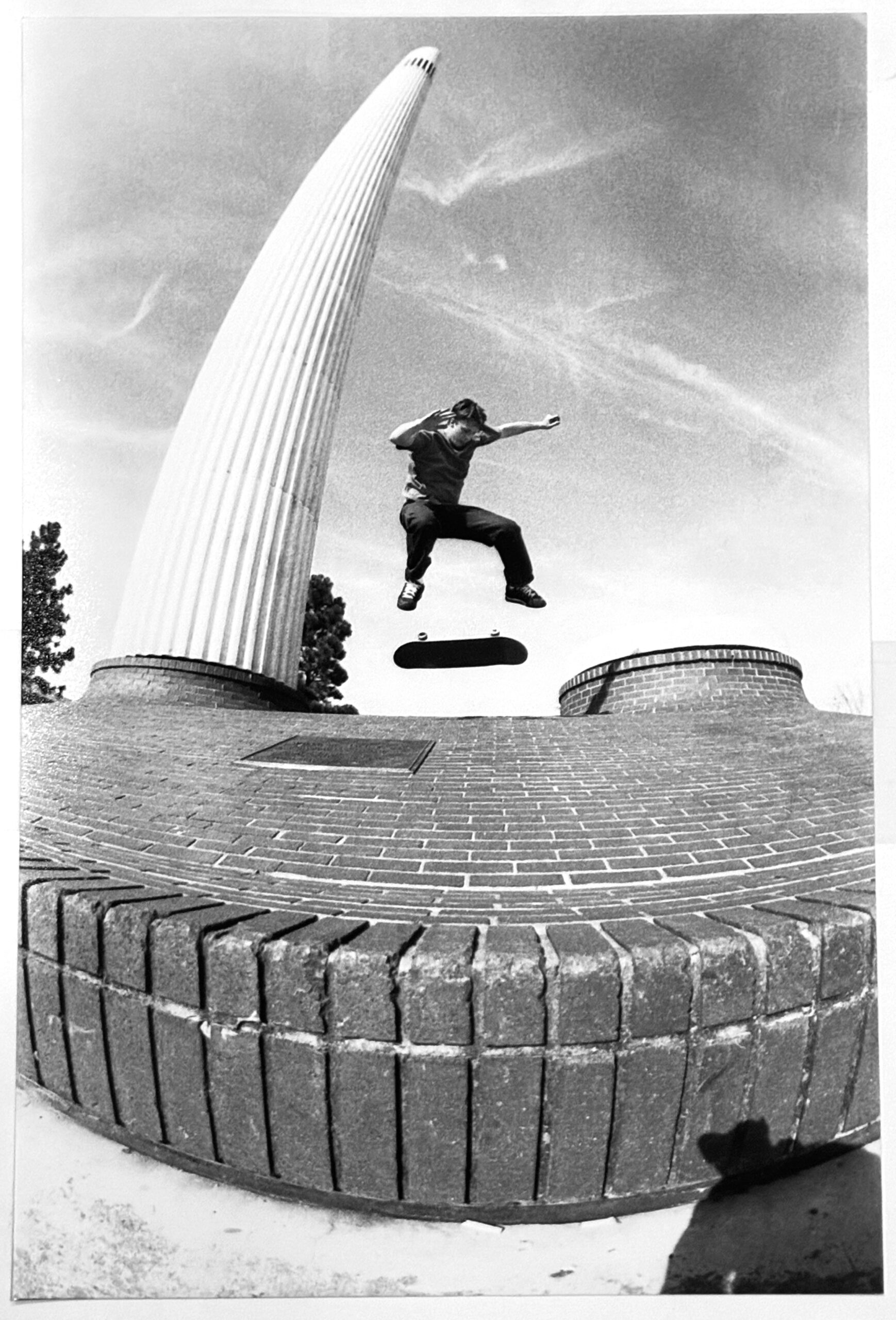
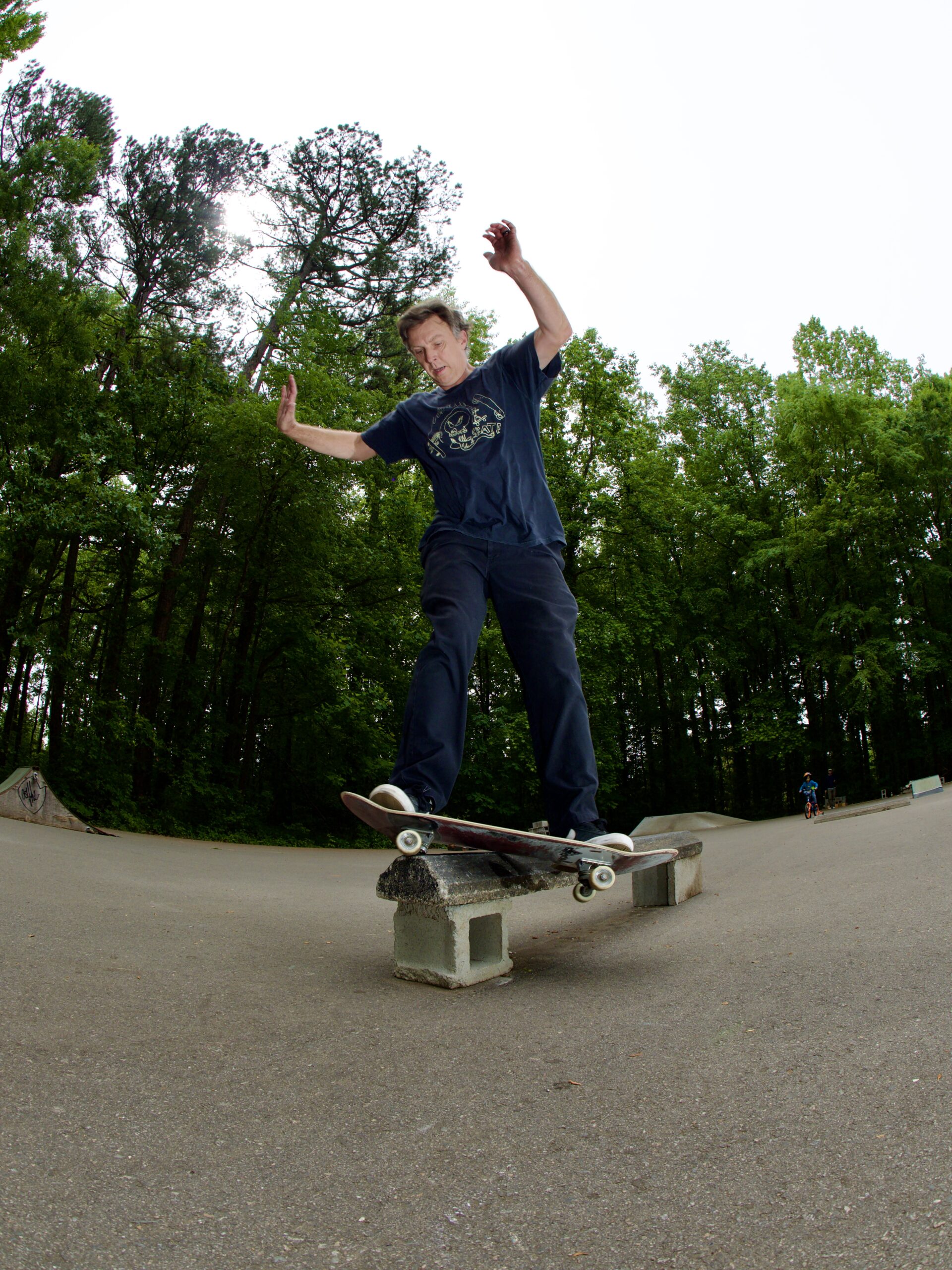
One of those skateboarders was Jason Waters. Jason and I knew each other before the 2025 Slow Impact conference, but only in passing. Our paths briefly crossed in the 1990s while I was living in Charlotte, North Carolina. Despite that brief encounter, Jason’s name was still familiar when I saw it on his name tag as he skated through Mitchell Park, because in 2021, Jason wrote and published his first book, Unbalanced: A Life of Schizophrenia and Skateboarding, two years after the death of my good friend Chad Henry, a West Virginia skateboarder, who like Jason, had been diagnosed with schizophrenia, and until Jason’s book, Chad had been the only person I knew with the psychotic disorder, a diagnosis Chad had not shared with many people, and one that came with many stigmas. A theme that pops out of both Jason’s books is that there are benefits to being open and honest with yourself as well as with others, which was something I learned Jason champions when we sat down in Mitchell Park at the 2025 Slow Impact conference to talk about schizophrenia, skateboarding, my friend Chad, and the constant journey toward the better version of yourself.
When were you first diagnosed with schizophrenia?I think I started showing symptoms around nineteen, but I wasn’t officially diagnosed with schizophrenia until I was twenty. I’ll be fifty years old soon, almost thirty years into it, and I’ve been in remission for at least two-thirds of that, so I mean, it’s not like I’m suffering like I was in the beginning. Like many mental illnesses, when I first started having symptoms, they were kind of blurry and like in many cases doctors don’t always know right away what it is, so early on they were basically giving me different medicines to see what I responded to, like anti-depressants and stuff. Eventually though, I got in some trouble and wound up in court, and during my hearing a public defender took me aside and asked if I’d be willing to talk to a psychiatrist that they had in another room of the court. I don’t know if the public defender saw something in me, read it in my posture, or if he had a relative who displayed similar behavior as mine or something, but he recommended I talk with the doctor. That was when they asked me if I heard voices, and I answered yes.
When you started showing symptoms at nineteen, was it auditory hallucinations?No, the voices weren’t really a thing at that point, they came later. There was a lot of paranoia though, which could have slightly been drug induced at the time because I was experimenting with drugs and drinking. Stuff like getting home late at night, parking my car and rushing to get in the door because I thought someone was following me or had been watching me from down the street. Things like that and just other odd idiosyncrasies that cognitively had to do with my brain to body connection and being able to separate one from the other. A lot of times your brain and body are working in tandem and it’s difficult to separate the two things.
When you say you’re in remission, what does that mean in terms of having schizophrenia?Remission means that the illness is managed. Things like – you no longer seem so out of control externally, and internally you can function more cognitively. And for me, remission also means I only have two doctors’ visits a year as opposed to three or four visits a month, which is how many I had in the beginning. Being in remission has also made me much more capable of riding a skateboard still.
Chad also heard voices, and I was always curious of the differences between the way he was hearing voices compared to self-talk, because I have my own deep history with depression, even ended up in a mental hospital a few of times, but compulsivity has a lot to do with my depression, so I’m constantly warding off my negative self-talk, and I used to wonder if Chad maybe was dealing with his self-talk rather than actually auditory hallucinations?My symptoms started with paranoia and some mild voices, but by the time of that court date, the voices had gotten undeniably amplified and louder like they were screaming at me, plus I was having a lot more delusional thoughts. Before, I could kind of filter through the voices to quiet them or at least organize my thoughts a bit, but they had become more noticeable and harder to filter. A big difference between what your friend Chad and I were going through was that the voices we heard were external, not internal. A lot of times when someone is hearing a voice it’s internal, like hearing themselves think, or like you were saying with self-talk, which doesn’t matter if it’s positive or negative, it’s still an internal voice. Self-talk is important and a lot of people self-talk in different ways, but it’s all kind of contained in your head. With schizophrenia it’s beyond that, it’s from beyond your realm of thought and you can’t control it. You can listen to the voices, but you can’t control the voices. What I would do is try to filter all of what I was hearing into one message, but it took me years to be able to do that.
You said early on they had you taking a few different combinations of medications. Aren’t the side effects to antipsychotics fairly gnarly!?YES!! The mental field sort of failed me in a way early on, because they didn’t prescribe me anything for the Haldol side-effects, which are like nervous system type side-effects. My back got all screwed up, there were a lot of painful muscle spasms, and my body would contort until I couldn’t sit comfortably. Eventually though for me there were medications that began working better, but I don’t really want to get into medication too much, because I’m no medicine expert. When it comes to dealing with my schizophrenia, I more or less look at what lifestyle stuff can I do to help myself? What environmental or social things can I do to affect my well-being? Basically, thinking about my health in a more general way, everything from hygiene and eating good meals to making sure I’m getting enough sleep, all that stuff matters a lot. So many of the people who have schizophrenia that I’ve heard from, when they’re in the beginning stages of figuring stuff out, they’re always curious about what medicine(s) I was prescribed, like what do I take, how many pills a day, what’s the dosage? And I’ll tell them we can talk about that, but medicine is only part of your recovery, the majority of your recovery is everything else. Don’t get me wrong, medicine is important and necessary, but more importantly are your lifestyle decisions after taking the medicine.

Since you are in remission, do you ever consider weening yourself off the medication? In the sense that you’ve got a handle on all the other stuff now – healthy habits, solid routines?No, because the solid routine is out the window right now. I’m in Arizona, I’m not in a very familiar environment, I mean I know several people here, but it’s nothing like my routine back home. I think without medicine I’d be strange man. I’m already sort of strange, haha, but I mean I wouldn’t feel comfortable or normal, and I would act differently, so I don’t think I could hold it together without it. There were times when I really hated taking the medicine, it felt like having a mark on me from society, like the stigma of it, so I’d think, “I don’t need this stuff. I can pull myself up by my bootstraps and do it without the medicine.” And I’d try it, and then I’d relapse and go back to the hospital, so I don’t even entertain the thought of not taking medicine. Plus, I take such a low dose now that it doesn’t really affect me when it comes to my overall energy levels.
What role has skateboarding played in your recovery?I would say skateboarders played a role early on, in that there were certain people that would encourage me in ways that I’m sure didn’t seem like much to them, but it meant a lot to me at the time, like certain people would still invite me out to the bar or for a game of pool and stuff, but they’d make sure I didn’t drink and just keep me in check, because there was a point with my medicine where I had to get sober, and I think a lot of that hanging out with my skateboarding friends at that time helped in my recovery, because many of the skaters were older than me too, so I looked up to them and the fact they had their shit together, and I wanted that for myself as well.
I’ve witnessed the Charlotte skateboarding camaraderie firsthand. The few years I lived there as a teenager are some of my favorite skateboard memories! With skateboarding and your recovery though, I also meant the physical act of skateboarding – do you think skating throughout these years has helped? Like skateboarding as meditation in regard to your recovery?For me now – it kind of has the feeling you get when you complete a task. Whether it’s skateboarding or doing the dishes, you know, people feel good after completing tasks. So, with skateboarding there’s a lot of little boxes I can check off when I go out skating, things like, were you consistent with tricks today, check, or if I did something hard that I’ve been working on, check, got a clip today, check! Anything like that helps your confidence. It wasn’t always like that though. Back when I was 20 and first being diagnosed, I was unaccepting of the diagnosis, because at that I age I was at the peak of my skateboarding, and with my schizophrenia diagnosis, I panicked and started to feel like my dreams of trying to make something of my skateboarding were going to turn into a nightmare soon, like I only had one last hurrah before it was all going to get out of control. That’s when I decided to move to Philly.

You talked some about Philadelphia in both of your books. Around that time was also when you met Bill Strobeck, right?Yeah. I moved to Philly and met Bill through our mutual friend Tammy. He was just getting started out back then. I lived in Philly for a bit, but things started to unravel pretty quickly. In hindsight it wasn’t the best environment for me at the time, I mean I was a skate rat, so I was couch surfing the whole time and broke, which kept me basically only one wrong step from becoming homeless. Bill and Tammy were great though. They were very welcoming and friendly. Like I had said about that court clerk when I was first diagnosed, Bill Strobek also must have seen something in me or noticed things that others were not noticing, because I would say things to Tammy and Bill like, “can you believe there’s people in Charlotte that think I have schizophrenia”, and Bill would say yes. I believe he has a soft spot for people dealing with mental illness. I’ve actually been very lucky with the types of people I’ve run into after being diagnosed, I’ve met and have been drawn to a lot of people with good intentions. I’ve had a lot of advocates, which is also crucial for recovery. Eventually, Philly got to be too much for me, my symptoms were manifesting in new ways – my nerves were still good for skating but were terrible when it came to everything else in my life, and with Tammy and Bill’s help I ended up moving back to Charlotte.
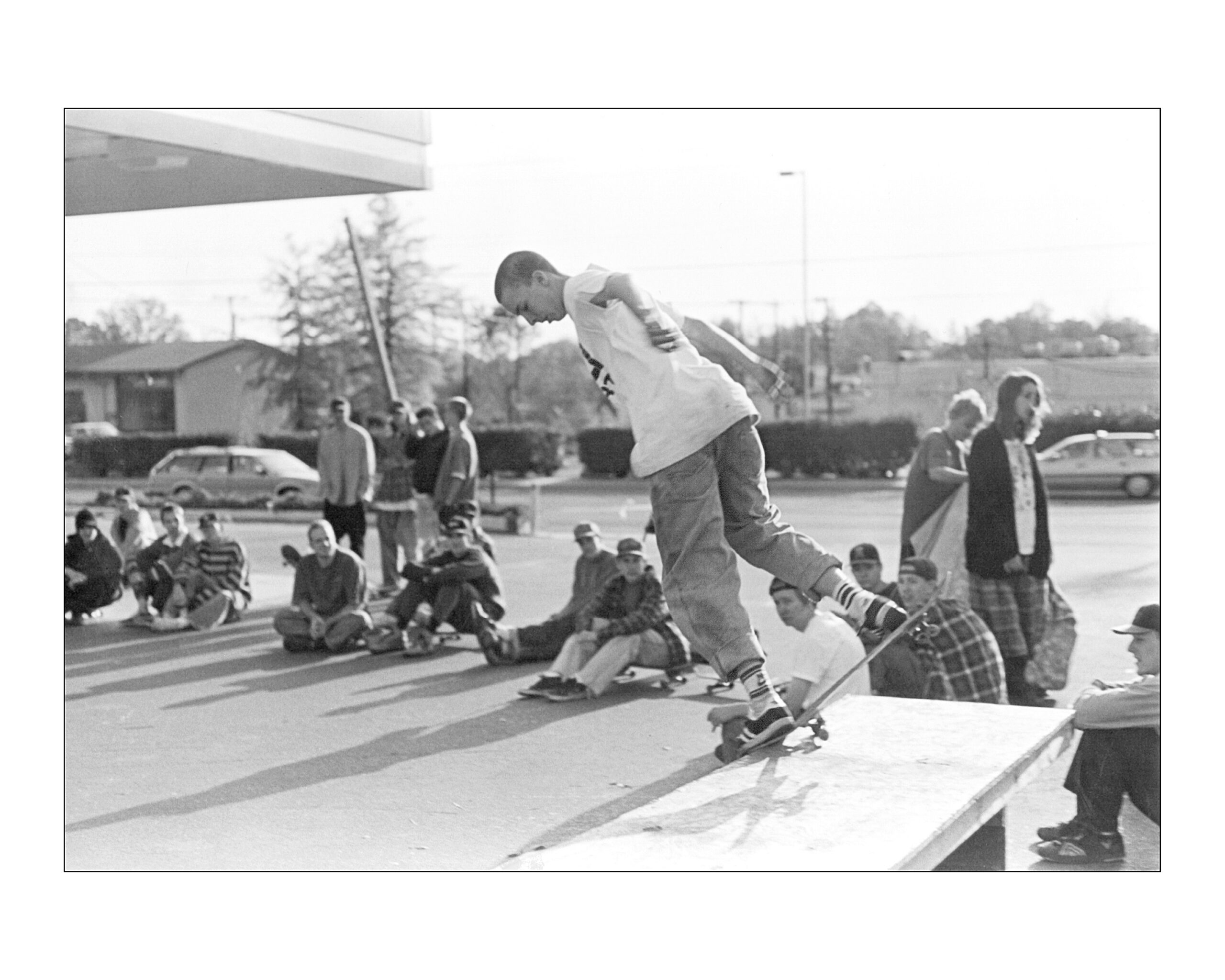
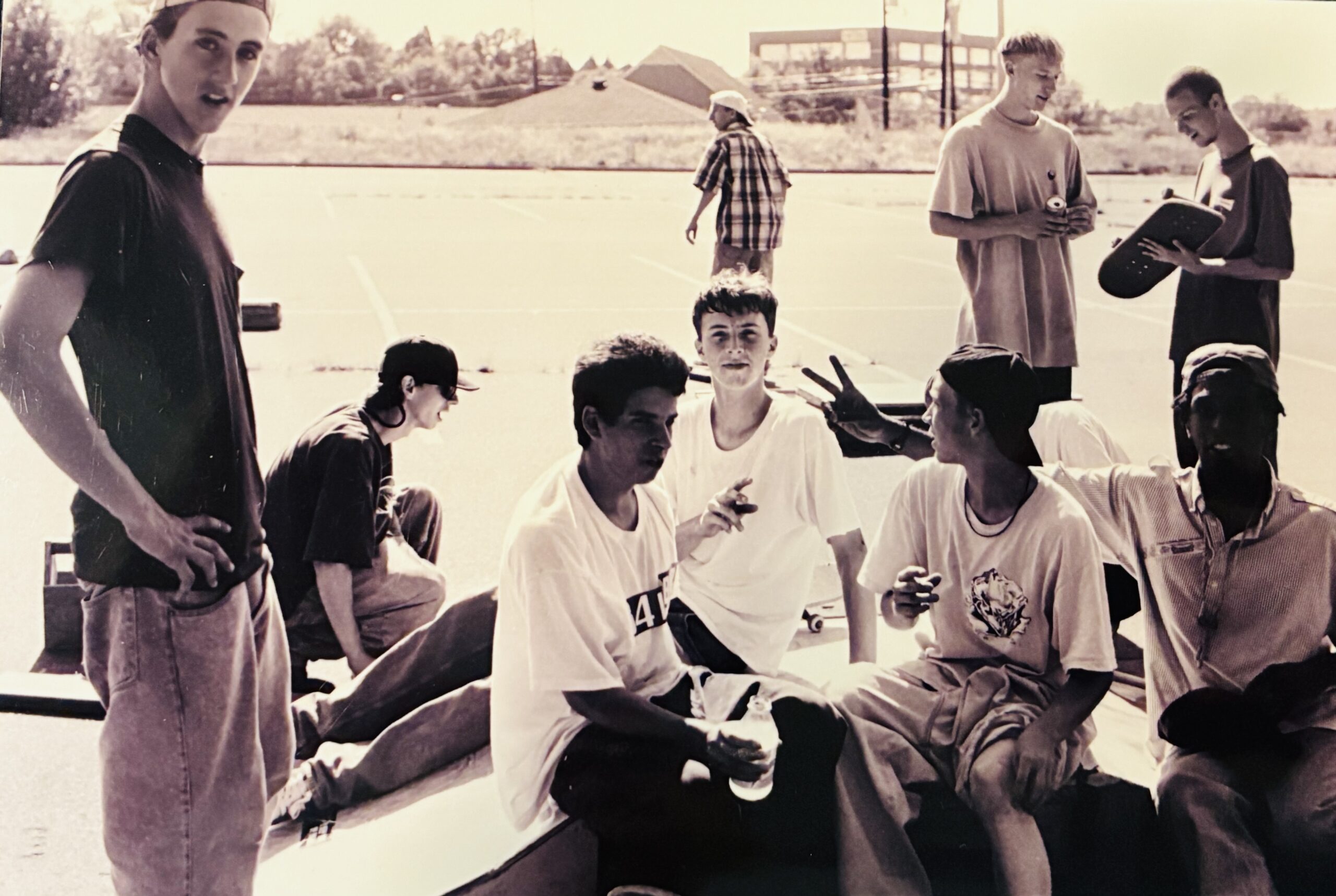
I believe that’s when you and my paths briefly crossed, because I was still living in Charlotte then. I remember you lived in a downtown studio apartment at the time, because me and Chris Bittikofer took you out skating a couple nights.I remember that apartment! When I got back to Charlotte from Philly, I was pretty burnt out on trying to skate and deal with my schizophrenia at the same time, so I’d basically quit skating at that point. I would go out from time to time skating, but I just didn’t think skateboarding was going to feel the same way to me as it used to, like it was never going to feel the same way again, what I’d done in the past was all in the past and there wasn’t much left for the future. Around then too though, I had a lot of support from my family, with my mom and dad being big advocates who pushed me to also be an advocate for myself. If someone thinks they’re dealing with schizophrenia, you know there’s questions they can ask or advice they can get, but at some point they’ve also got to take ownership of it, take ownership of the situation, ownership of their life – whatever you want to call it, but you’ve got to accept it, which you’ll learn can be empowering. In my early years, I wouldn’t allow myself to see it, like I wouldn’t allow myself to accept that my diagnosis was real, so it was certainly empowering for me when I finally took ownership of it, and it remains an empowering feeling to advocate for myself and to be more open about my schizophrenia.
What led you to decide to write a book and talk about your experiences with a larger audience? It seems like schizophrenia is a mental illness that people prefer to keep secret – I know Chad was certainly guarded with who he let know of his mental condition. I’m pretty sure there’s still a few of his friends who never knew he had schizophrenia.Writing a book was something I’d wanted to do ever since I got diagnosed, because I would journal a lot whenever I was dealing with mental episodes. I would try and sort things out with a pen and paper when I couldn’t do it verbally. Plus, I’ve always had a rich imagination, which I think probably lends itself well to writing. With the first book, I was actually the co-author with writer Adam Sutton. We did a series of interviews, or conversations I guess, and we edited those into a book. When that book came out, there was a big rally of support behind it, like everyone from my boss at work to being awarded a best non-fiction prize in a local paper. And then skaters started reaching out to me and sharing some of their shared experiences. That’s when I decided to write a second book, but this time I wanted to write it solo. With my second book, I was really trying to put my experiences into my own words and create more authenticity, but I also wanted to help break the stigmas surrounding schizophrenia, so that more skaters could feel comfortable being open with their own experiences. For me, I want to speak up because it’s about sharing something of myself, sharing my individuality with people, which I think can help people find the courage to do the same thing. I’m currently working on writing another book – this one is going to be auto-fiction, so it’s going to combine some autobiography with fiction writing, which is going to allow me to make stuff up, which I like to do sometimes, haha, but also have it based on real life experiences.
Chad would sometimes write too, or journal, to help deal with his mental episodes. Has it helped you in your journey to be more vocal about your schizophrenia? More self-accepting of it?I have a lot of experience with this illness. I’ve had it for over half of my life, so I kind of just accepted it as my version of normal. And for someone who fancies themselves an artist, I think creativity, things like skateboarding, photography, painting, drawing or writing are great, consistent ways of coping with something like schizophrenia. My schizophrenia is a big part of what shaped me as a person – probably only second to skateboarding. I also think creating art and being more vocal kind of go hand in hand. I think I had told you before that a big part of my recovery has been all the lifestyle changes I’ve made to go along with taking my medication – a big part of that is living a creative life, whether that be through skating, art and photography, or writing. I’m more or less an artist, sharing something creative with people, I don’t have the credentials of a doctor or a psychiatrist to talk on the subject, but being more vocal and open through creative outlets feels like advocacy to me. I didn’t have anyone else that I could relate to when I was diagnosed, there weren’t any other skateboarders with schizophrenia that I knew of, I’m sure there were some out there at that time, but I never ran into any examples of it.
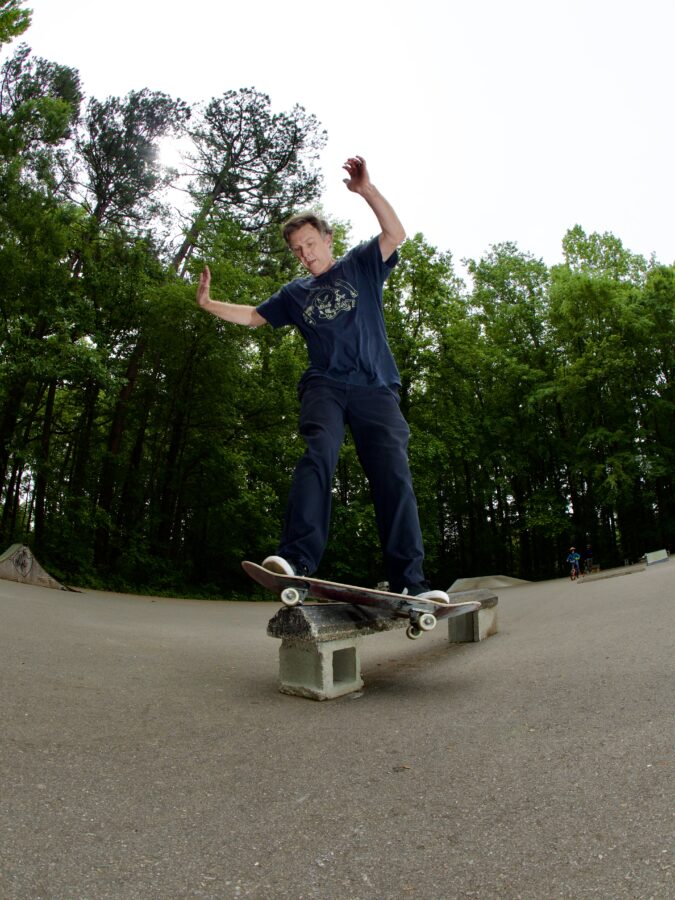
When did you decide to start skateboarding again?I mean I’ve always been a skateboarder, but I took a pretty long break after being diagnosed. I wouldn’t say I ever completely stopped skating, but after I was diagnosed it was a hard pill to swallow that I couldn’t stay in that state forever, of thinking of skateboarding and absolutely nothing else other than skateboarding, but when I finally became more accepting of my diagnosis, a big shift happened, and I had to adjust, start taking my medicine properly, change other things in my life and come back to skateboarding once the smoke had cleared, so to speak. When I did come back to skating I rushed into things though and ended up blowing out my knee and ankle. So that was kind of another mental hurdle right off the bat, but my diagnosis and recovery have shown me there is more to life than just having a great kickflip, you know what I mean? I’d love to have great kickflip, but I’m okay now with having a floppy kickflip occasionally too. For me, I’ve happily lost a lot of self-criticisms, so I’m way less critical of myself when I’m out skating. I no longer feel the need to be the best or feel like I should be learning all the new tricks.
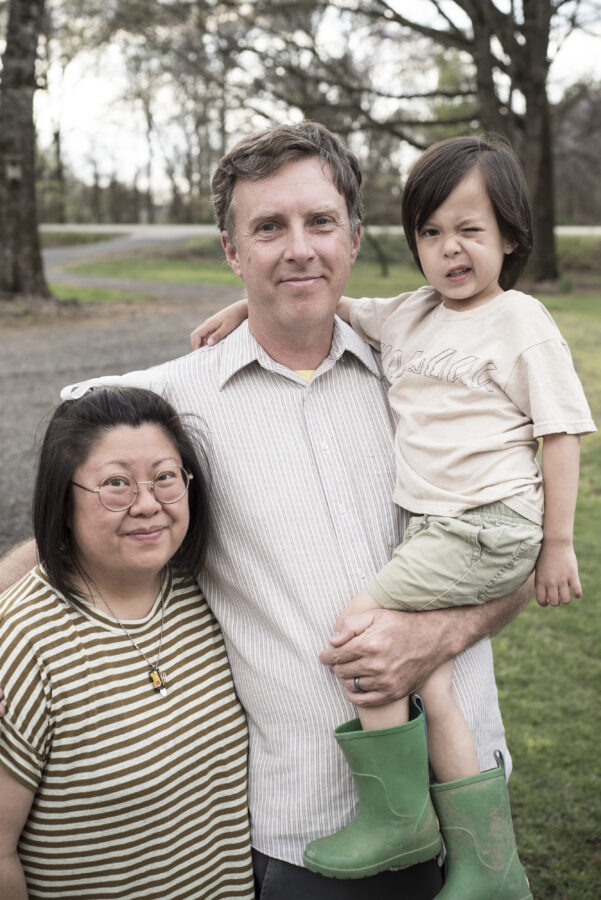
Were there ever any moments along the way when you thought you may not recover, or you may not ever feel better?I don’t know if I can point to any one specific moment, but there were a lot of really hard times along the way. There were times when I felt like a burden to my friends and family, times I felt like a leech on society, times I worried I’d never really amount to much, but now at this stage in my life, I’ve put a lot of that stuff behind me, and I think my parents, friends, family and wife would like to hear me say that, because the truth is my mom never thought of me as a burden, you know – she has always been one of my biggest advocates, taking me to doctor’s appointments and doing all kinds of research when I was younger, and I have an amazing, supportive wife, plus I’ve been very lucky in being able to skate with the same group of Charlotte skaters that I grew up with for most of my life. Honestly, I try to look on the bright side of schizophrenia, which I’m sure can be hard for most people to imagine – it’s kind of like looking at Chernobyl and saying, oh it’s not so bad. But for me, it’s normalized now, plus I’ve done so many things in life and have succeeded in ways that I maybe would’ve never had the opportunity to do had it not been for my diagnosis, I mean it’s impossible to say, but I think I’ve been pretty lucky. Had I not been diagnosed, would I be alive right now? I don’t know, but after my diagnosis I graduated from college, got married to an amazing woman, started a family, I own a home, have a good job and still get to skate and create with my friends.
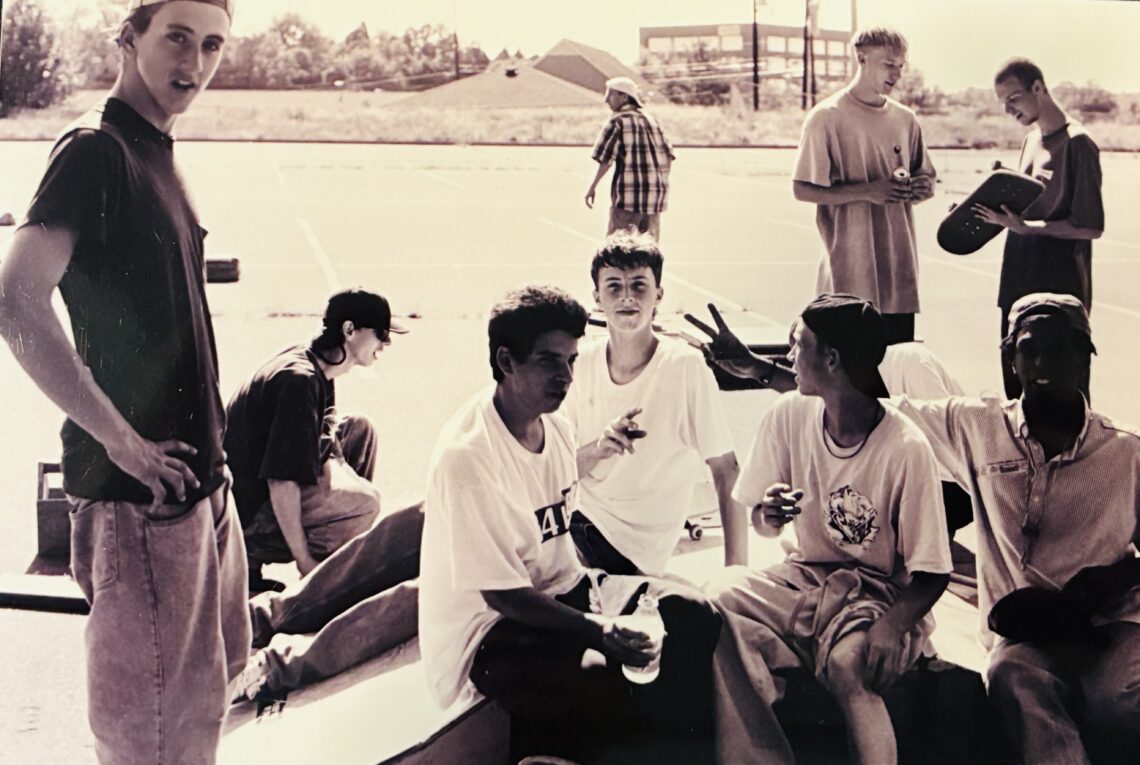
If you could Marty McFly your current board setup and use it as a time machine, what would you tell younger Jason Waters?I don’t know. One thing I’d tell him is the fact he’ll still be skating when he’s fifty with gray hair, and he’s going to have an amazing son! I mean if I could go back in time to one of the more difficult moments or times during my schizophrenia and skateboarding, I’d tell the younger me to pace himself, you know? I’d tell him if you want to be able to keep doing this into your old age, don’t overdo it too soon. So much of that is in hindsight though, plus I have a lot more emotional intelligence now than I did when I was in my twenties. With skateboarding, I think there’s this belief that a lot of skaters have that you only really get one shot of making it in skateboarding, but I think for me the skateboarding dream has been a circular thing, and skateboarding has come back around in a more creative and therapeutic way for me now.
Do you have any advice for any skaters or anyone in general who might be struggling with a mental illness?One thing that helped me a lot was a term I learned from psychology books called positive self-concept, which is a lot like the PMA element in hardcore punk culture. The idea is what it sounds like – if you come at whatever you’re doing with a smile or with good energy, you’re going to be better off than doing it with a chip on your shoulder and having a problem with everybody around you. Positivity is a really powerful thing when you embrace it and align with it. It’s a way to become a lot stronger of a person. Another impactful concept I came across along the way was from the writer James Clear. I don’t know if you’ve ever read him, but the concept is basically that the difference between trying to do 1% better each day versus doing 1% worse each day is huge, especially when you stretch that over a long period of time, like decades or more. So, I try to get 1% better every day, I’m trying my best all the time, so what it looks like today will totally look different for me 10 years from now. That’s my raison d’etre or whatever, it’s my mantra, I just want to keep doing 1% better each day. I’d also say to be open and willing to talk about it, because schizophrenia seems more common than I’d realized before, because early on it felt lonely, like I was all by myself, but that was probably because I wasn’t talking about it, you know? I had a therapist once say, you know Jason, nobody will know unless you tell them, so I thought, okay, then I’ll just never tell anyone, but after a while I realized I didn’t want to just be this shell of a person for the rest of my life, and the more people are willing to talk about schizophrenia and other mental illnesses, the more it helps break the stigmas.
Thank you so much homie for taking the time to talk to me, it means a lot to me. I appreciate your willingness to put yourself out there and be vulnerable. Are there any shoutouts you want to end this thing with?ALL the Charlotte homies, Chris Bittikofer, Stephen Barrett, Josh Frazier, Derek Ingram, Kyle Moen, Brian Tucker, Ben Smith, Justin Williams, Kareem Payne, Brandon Christenbury, Luke McKaye, my family, mom, dad, brother Jeremy, Jenny, Heather, my doctor. Also, shoutouts to Slow Impact, Ryan Lay and Kyle Beachy and Mo Crandall, Patrick Kikongo, Jordan Galiano, Miles Canajello, Kevin Marks, Natalie Porter, everybody at Black Sheep and everybody at Kilborne DIY. And thank you man, it was great talking with you.